Guide to Micro Swimsuits

The Ultimate Guide to Micro Swimsuits for Men

The Complete Cornerstone Guide to Men’s Bikinis, Swim Briefs, Micro Swimwear, Thongs, G-Strings, Tiny Spandex Shorts, and Minimalist Beach Fashion

Meta Title: Ultimate Guide to Men’s Micro Swimsuits | Bikinis, Briefs, Thongs & Modern Swimwear

Meta Description: Discover everything about men’s micro swimsuits, from classic swim briefs and bikinis to thongs, G-strings, tiny spandex shorts, fabrics, fit, styling, and the latest global swimwear trends.


Welcome to the Modern Era of Men’s Swimwear

Men’s swimwear has undergone one of the biggest fashion transformations of the past several decades. What was once a category dominated by oversized board shorts and loose trunks has expanded into a diverse collection of athletic, fashion-forward, and minimalist styles that allow men to choose swimwear based on comfort, performance, and personal expression.

Today, the market includes everything from Olympic-inspired racing briefs to sleek bikinis, compact square-cut shorts, Brazilian-inspired designs, modern thongs, and other minimalist silhouettes. These styles are worn for a variety of reasons, including swimming performance, comfort, reduced drag in the water, faster drying, travel convenience, and personal style.

As global travel and social media have exposed consumers to beach cultures around the world, many men have become more comfortable exploring swimwear beyond traditional trunks. Beaches in Brazil, Southern Europe, Australia, and parts of Asia have long embraced fitted swimwear, and those influences continue to shape international trends.

This guide explores the full spectrum of men’s minimalist swimwear, helping readers understand the differences between styles, how to choose the right fit, and what to consider before purchasing.


What Is a Micro Swimsuit?

A micro swimsuit is generally defined as a swimsuit that uses less fabric than a traditional swim brief or trunk while still functioning as practical swimwear. The exact amount of coverage varies by design, but the emphasis is on streamlined construction, lightweight materials, and freedom of movement.

Micro swimwear can include:

  • Compact swim briefs
  • Low-rise bikinis
  • High-cut bikinis
  • Brazilian-inspired styles
  • Narrow-side briefs
  • String bikinis
  • Minimal square-cut shorts
  • Thongs
  • G-strings (where permitted)

Rather than representing one single style, “micro swimwear” is an umbrella term for a range of minimalist designs.


Why Smaller Swimwear Has Become More Popular

Several factors have contributed to the growing popularity of minimalist men’s swimwear.

Athletic Performance

Competitive swimmers have long favored streamlined suits because they reduce drag and allow unrestricted movement.

Many recreational swimmers appreciate these same benefits.


Comfort

Smaller swimsuits often feel lighter than long trunks because there is less fabric to retain water.

Benefits may include:

  • Faster drying
  • Reduced chafing
  • Greater flexibility
  • Easier movement
  • Less weight when wet

Travel Convenience

Minimalist swimwear packs easily and dries quickly, making it an excellent choice for vacations and active travel.


International Influence

Visitors returning from destinations such as Brazil, Spain, Italy, Greece, and Australia frequently notice that fitted swimwear is common in those regions. Exposure to these styles has broadened consumer interest worldwide.


The Evolution of Men’s Swimwear

The history of men’s swimwear reflects changing ideas about sport, fashion, and leisure.

Early swimwear often consisted of heavy wool garments that absorbed water and limited movement. As synthetic fabrics became available, swimwear became lighter and more practical.

By the late twentieth century, nylon and elastane blends allowed designers to create supportive, flexible suits suitable for both athletic and recreational use.

Today, technical fabrics, improved pattern-making, and advanced manufacturing techniques allow swimwear to provide comfort, durability, and a wide range of silhouettes.


Understanding the Different Categories of Minimalist Swimwear

Classic Swim Briefs

The swim brief remains one of the most enduring designs in men’s swimwear.

Typical features include:

  • Moderate front coverage
  • Secure waistband
  • Streamlined profile
  • Full mobility
  • Versatility for training and recreation

Many swimmers consider the brief the benchmark against which other fitted styles are compared.


Racing Briefs

Designed with performance in mind, racing briefs are optimized to reduce drag while providing a secure fit during vigorous swimming.

They are commonly made from chlorine-resistant fabrics and feature reinforced stitching for durability.


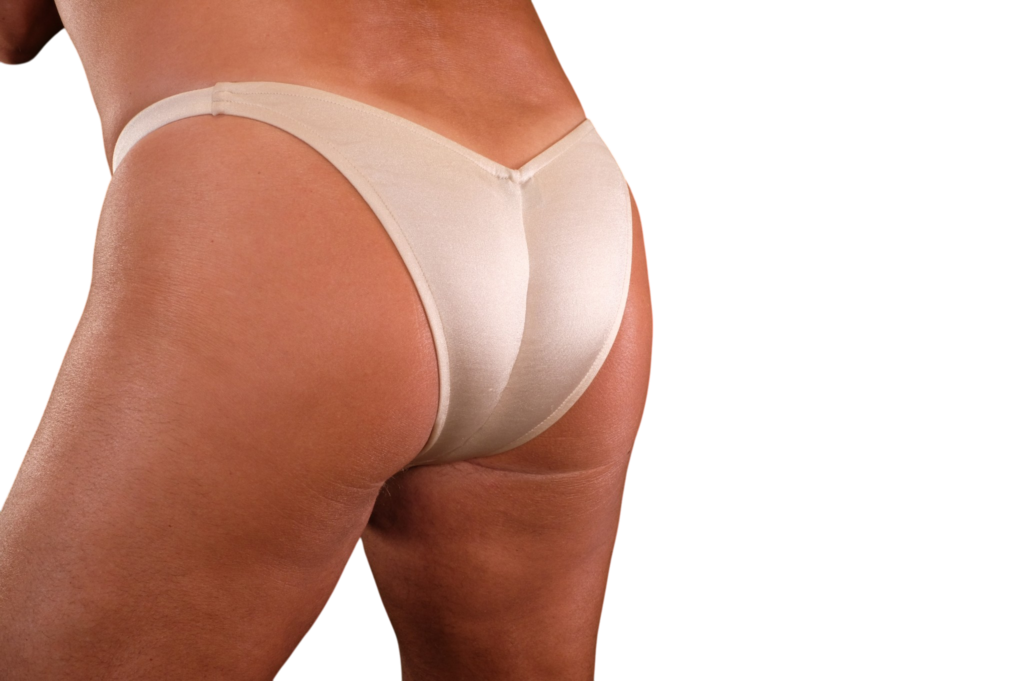
Men’s Bikini Swimwear

The men’s bikini is distinguished by a lower rise and narrower side panels than a traditional brief.

Common characteristics include:

  • Contemporary appearance
  • Comfortable support
  • Lightweight construction
  • Minimal bulk
  • Reduced tan lines

Bikinis are available in a range of cuts, from conservative to more fashion-oriented.


Low-Rise Bikinis

Low-rise designs sit below the natural waist, creating a modern silhouette that many wearers find comfortable.

They pair well with fitted resort wear and lightweight beach clothing.


High-Cut Bikinis

High-cut leg openings increase freedom of movement and create a longer visual line along the legs.

These designs have become increasingly common in fashion swimwear.


Brazilian-Inspired Cuts

Brazilian swimwear has influenced men’s beach fashion around the world.

These styles often emphasize:

  • Narrow side panels
  • Balanced coverage
  • Flexible fabrics
  • Contemporary styling
  • Clean, simple construction

Tiny Spandex Shorts

Tiny spandex shorts occupy the middle ground between briefs and traditional trunks.

They offer:

  • Slightly more coverage than briefs
  • Athletic styling
  • Stretch performance fabrics
  • Comfortable support
  • Versatility for swimming and beach activities

Their retro-inspired appearance has made them increasingly popular among fitness enthusiasts and travelers alike.


Fabric Technology

One of the reasons modern minimalist swimwear performs so well is the quality of today’s fabrics.

Most premium suits are made from blends that combine:

  • Nylon for softness
  • Elastane for stretch
  • Polyester for durability

These materials provide:

  • Four-way stretch
  • Quick drying
  • Shape retention
  • Chlorine resistance
  • UV resistance in many cases

Quality fabric contributes significantly to both comfort and longevity.


Finding the Right Fit

Fit is more important than size alone.

A swimsuit should:

  • Stay securely in place
  • Allow unrestricted movement
  • Feel supportive without excessive compression
  • Maintain its shape during swimming

Consulting a manufacturer’s size chart and understanding how different cuts fit can make a significant difference in comfort.


Color and Pattern Trends

Modern men’s swimwear is available in a broad range of colors and prints.

Popular choices include:

  • Black
  • Navy
  • White
  • Royal blue
  • Emerald green
  • Bright red
  • Orange
  • Turquoise

Patterns such as tropical florals, geometric designs, and subtle textures remain popular for resort wear, while solid colors continue to dominate performance swimwear.


Confidence and Personal Style

Perhaps the most important aspect of choosing swimwear is finding a style that matches your comfort level and intended use.

Some people prefer the timeless simplicity of a classic swim brief, while others enjoy experimenting with lower-rise bikinis or compact shorts. There is no universally “correct” choice. The best swimsuit is one that fits well, supports your activities, and helps you feel comfortable whether you’re swimming laps, relaxing by the pool, or spending a day at the beach.

The Ultimate Guide to Micro Swimsuits for Men (Part 2)

Exploring String Bikinis, Micro Bikinis, Thongs, G-Strings, Square-Cut Styles, Fabrics, and Finding Your Ideal Fit

In Part 1, we explored the history of modern men’s swimwear, the evolution of minimalist designs, and the differences between swim briefs, bikinis, Brazilian-inspired cuts, and tiny spandex shorts. In this section, we’ll take a closer look at the next generation of streamlined swimwear, how these styles differ, and how to choose one that matches your comfort level and intended use.


String Bikini Swimwear for Men

String bikinis have become one of the most recognizable minimalist swimwear styles. They retain the functionality of a bikini while replacing wider side panels with narrow strings or slender fabric straps.

The result is a lightweight swimsuit that offers freedom of movement and a clean, modern appearance.

Why Men Choose String Bikinis

Many wearers appreciate string bikinis because they:

  • Reduce fabric around the hips
  • Dry quickly after swimming
  • Feel lightweight throughout the day
  • Create minimal tan lines
  • Pack easily for travel

Because the strings are adjustable on some models, they may also provide a more personalized fit than fixed-side designs.


Micro Bikini Swimwear

Micro bikinis represent the next step toward minimalist design. They generally use less fabric than a standard bikini while maintaining the same basic silhouette.

Rather than focusing on novelty, many modern micro bikinis are designed with high-performance stretch fabrics that remain practical for swimming, sunbathing, and resort wear.

Typical features include:

  • Lower-rise waistlines
  • Narrower side panels
  • Streamlined front construction
  • Lightweight materials
  • Quick-drying fabrics

Micro bikinis are often chosen by people who prefer a modern, athletic look with reduced bulk.


Ultra-Minimal Swimwear

Ultra-minimal swimwear emphasizes simplicity through careful pattern design and lightweight construction. Depending on the manufacturer, these suits may vary considerably in coverage, so it’s important to review product descriptions and images before purchasing.

When considering an ultra-minimal style, pay attention to:

  • Fabric quality
  • Lining
  • Stitching
  • Waistband construction
  • Intended activity
  • Local beach or pool dress codes

For active swimming, a secure fit is generally more important than minimizing fabric.


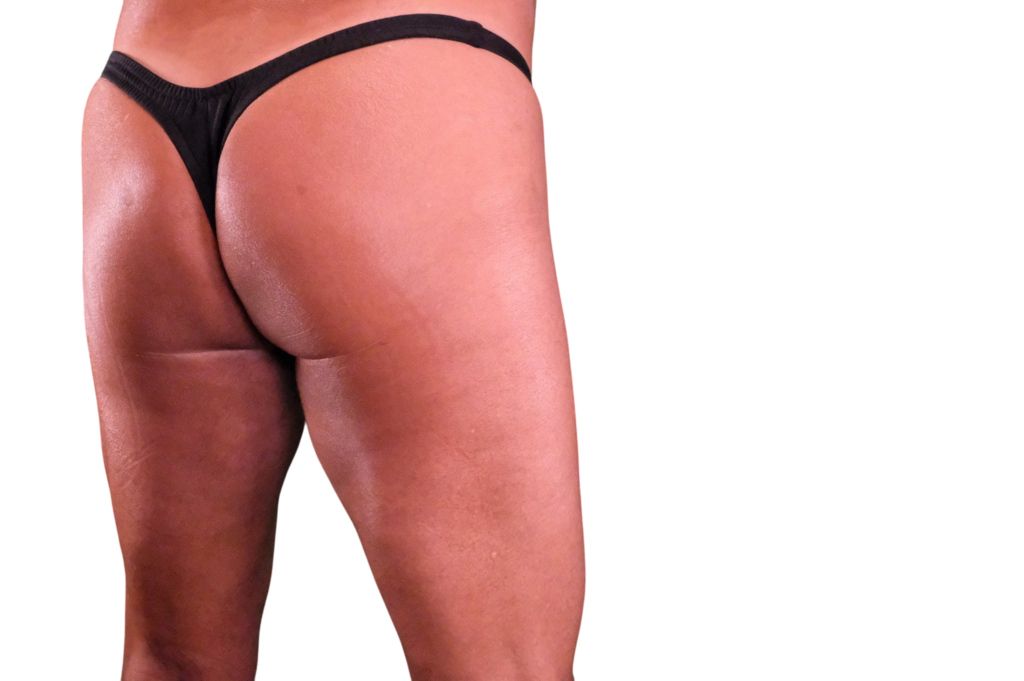
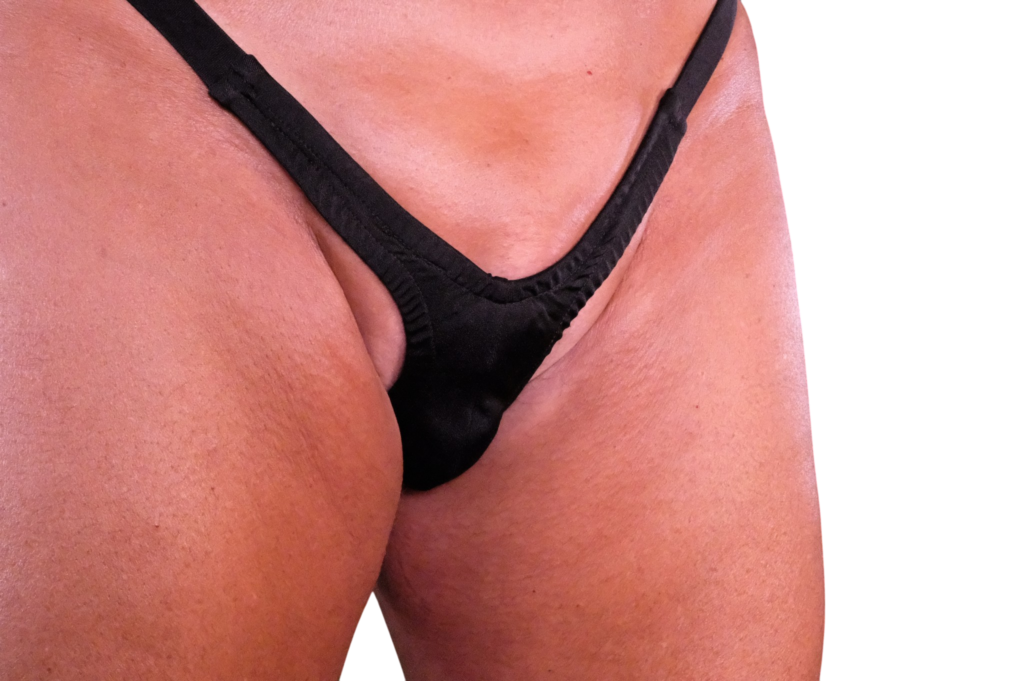
Men’s Thong Swimwear

Thong swimwear has become increasingly visible in many beach destinations around the world. While still considered a niche style in some locations, it is a mainstream option in others.

A thong swimsuit typically combines:

  • A supportive front panel
  • A secure waistband
  • A narrow rear strap
  • Stretch performance fabric

Many people choose this style because it minimizes tan lines and reduces the amount of fabric that can bunch or hold water.

As with any swimwear, local customs and venue rules should always be respected.


G-String Swimwear

G-string swimwear uses an even narrower rear strap than a thong while maintaining front coverage.

These designs are primarily intended for settings where very minimal swimwear is accepted, such as certain beaches or private resort environments.

Before wearing a G-string swimsuit, it is a good idea to check:

  • Local regulations
  • Beach policies
  • Resort dress codes
  • Community expectations

Understanding the environment helps ensure that your swimwear choice is appropriate for the location.


Square-Cut Micro Shorts

Square-cut shorts continue to be one of the most versatile categories in men’s swimwear.

Compared with briefs, they provide:

  • Slightly longer legs
  • A sporty silhouette
  • Comfortable compression
  • A balance between coverage and mobility

Many swimmers appreciate square-cut styles because they transition easily from swimming to casual beach activities.


Compression and Support

Supportive construction is one of the defining features of quality swimwear.

Look for:

  • Double-layer front panels
  • Comfortable waistbands
  • Flatlock stitching
  • Stretch recovery
  • Reinforced seams

These features help a swimsuit maintain its shape over repeated use.


Understanding Swimwear Fabrics

Modern swimwear performance depends largely on the materials used in its construction.

Nylon

Nylon remains one of the softest fabrics used in swimwear.

Advantages include:

  • Smooth feel
  • Excellent stretch
  • Comfortable fit
  • Bright color retention

Polyester

Polyester has become increasingly popular because it resists chlorine exceptionally well.

Benefits include:

  • Long lifespan
  • Excellent durability
  • Shape retention
  • Fade resistance

Competitive swimmers often prefer polyester blends for frequent pool use.


Elastane (Spandex)

Elastane provides the stretch that allows swimwear to move naturally with the body.

Even a relatively small percentage of elastane dramatically improves:

  • Flexibility
  • Comfort
  • Recovery
  • Fit

Flatlock Stitching

Premium swimwear frequently uses flatlock seams.

These help reduce:

  • Chafing
  • Pressure points
  • Irritation
  • Seam bulk

For people who spend extended time in the water, this construction can make a noticeable difference.


Choosing Swimwear for Your Body Type

Every body is different, and there is no universally ideal swimsuit.

Instead, consider what makes you feel comfortable and confident.

Athletic Build

Athletic physiques often work well with:

  • Swim briefs
  • Square cuts
  • Bikinis
  • Tiny shorts

These styles complement freedom of movement while highlighting an active silhouette.


Slim Build

Slimmer body types may enjoy:

  • Low-rise bikinis
  • String bikinis
  • Compact square cuts
  • Classic briefs

Many of these designs create clean, proportional lines.


Larger Builds

For people seeking additional support, options may include:

  • Structured swim briefs
  • Square-cut shorts
  • Performance-focused styles with wider waistbands

A good fit is generally more important than choosing the smallest possible style.


Swimwear for Different Destinations

The ideal swimsuit often depends on where you’ll be wearing it.

Resort Pools

Many resort pools welcome fitted swimwear, though expectations vary.

Popular choices include:

  • Swim briefs
  • Bikinis
  • Square cuts
  • Tiny shorts

Public Beaches

Public beaches differ considerably around the world.

Before traveling, research local customs regarding:

  • Coverage expectations
  • Swimwear regulations
  • Cultural norms

Lap Pools

Performance-oriented styles remain the preferred choice for regular swimming.

These typically include:

  • Racing briefs
  • Athletic briefs
  • Square-cut suits

Their streamlined construction helps reduce drag.


Caring for High-Performance Swimwear

Proper maintenance can extend the life of any swimsuit.

Recommended care includes:

  • Rinse immediately after swimming
  • Remove chlorine or saltwater promptly
  • Hand wash whenever practical
  • Avoid fabric softeners
  • Air dry in the shade
  • Store only after completely drying

These habits help preserve elasticity and fabric performance.


Building a Versatile Swimwear Collection

Many people own more than one swimsuit for different situations.

A well-rounded collection might include:

  • A performance swim brief for exercise
  • A bikini for vacations
  • A square-cut short for active beach days
  • A tiny spandex short for casual poolside wear
  • A compact travel swimsuit that dries quickly

Having several styles allows you to choose the most appropriate option for each activity.


Common Buying Mistakes

Avoid these frequent mistakes when shopping for swimwear:

  • Choosing size based only on jeans measurements
  • Ignoring the manufacturer’s sizing guide
  • Buying solely for appearance without considering comfort
  • Selecting fabrics unsuitable for chlorine exposure
  • Failing to rinse swimwear after use
  • Overlooking venue dress codes

A little research before buying often results in a swimsuit that performs better and lasts longer.

Global Swimwear Trends, Sustainable Fabrics, Travel Tips, Styling Advice, and Frequently Asked Questions

By now, we’ve explored the history of minimalist men’s swimwear, compared the major categories of fitted swimsuits, and examined the fabrics and construction that make modern designs both comfortable and durable. In this section, we’ll look at worldwide trends, how to build a practical swimwear wardrobe, sustainable manufacturing, accessorizing, and answer many of the questions people ask before purchasing their next swimsuit.


Men’s Swimwear Is Becoming More Diverse

The biggest trend in men’s swimwear isn’t simply that suits are getting smaller—it’s that there are more choices than ever before.

Today’s collections often include:

  • Traditional swim briefs
  • Racing briefs
  • Low-rise bikinis
  • High-cut bikinis
  • Brazilian-inspired styles
  • String bikinis
  • Square-cut shorts
  • Tiny spandex shorts
  • Minimalist thongs
  • Contemporary G-string styles where appropriate

This expanded selection allows shoppers to choose swimwear that matches their intended activity, comfort level, and personal style rather than following a single fashion trend.


Regional Swimwear Preferences Around the World

Swimwear styles vary widely depending on local culture, climate, and beach traditions.

Southern Europe

Many beaches across Southern Europe have long embraced fitted swimwear. Swim briefs, compact shorts, and streamlined bikini styles are common choices for recreational swimming and resort vacations.

Travelers often notice that practical, athletic silhouettes are just as popular as loose-fitting trunks.


Brazil

Brazil has had an enormous influence on global swimwear design.

Characteristics often associated with Brazilian-inspired swimwear include:

  • Bright colors
  • Lightweight fabrics
  • Minimal side panels
  • Comfortable stretch
  • Contemporary tailoring

Many international brands draw inspiration from Brazilian design while adapting styles for different markets.


Australia

Australia’s beach culture emphasizes both active lifestyles and practical performance.

Popular styles include:

  • Swim briefs
  • Square cuts
  • Compact trunks
  • Athletic bikinis

These designs are well suited for swimming, surfing, beach fitness, and other outdoor activities.


North America

North American swimwear has become much more varied over the past decade.

While board shorts remain widely available, retailers increasingly offer:

  • Swim briefs
  • Bikinis
  • Square-cut styles
  • Shorter inseam trunks
  • Performance swimwear

Consumers now have far more options than in previous generations.


The Rise of Sustainable Swimwear

Sustainability has become one of the most important developments in the apparel industry, including swimwear.

Many manufacturers now incorporate:

  • Recycled nylon
  • Recycled polyester
  • Reduced-water dye processes
  • Durable construction that extends product life
  • Environmentally conscious packaging

Consumers often appreciate products designed to last longer, reducing the need for frequent replacement.


Why Fabric Quality Matters

A swimsuit’s appearance is only part of the equation.

Premium construction can improve:

  • Shape retention
  • Comfort
  • Stretch recovery
  • Resistance to fading
  • Chlorine durability
  • Overall lifespan

When comparing products, it is worth considering material composition in addition to style.


Choosing Swimwear for Different Activities

Different situations often call for different designs.

Vacation Resorts

For resort vacations, many travelers choose lightweight swimsuits that dry quickly and pair well with casual clothing.

Popular options include:

  • Swim briefs
  • Bikinis
  • Square cuts
  • Tiny spandex shorts

Fitness Swimming

Those who swim regularly often prioritize:

  • Chlorine-resistant fabrics
  • Secure waistbands
  • Streamlined construction
  • Long-lasting elasticity

Performance-focused briefs and square-cut suits are common choices.


Beach Relaxation

If your day includes swimming, walking, reading, and relaxing, comfort may be the most important consideration.

Many people appreciate soft fabrics, supportive waistbands, and quick-drying materials that remain comfortable throughout the day.


Building a Swimwear Wardrobe

Owning multiple swimsuits allows you to select the right option for each occasion.

A balanced collection could include:

One Performance Suit

Ideal for:

  • Lap swimming
  • Water exercise
  • Frequent pool use

One Vacation Suit

Designed for:

  • Resort travel
  • Beach holidays
  • Casual swimming

One Fashion-Oriented Style

Perfect for:

  • Poolside relaxation
  • Warm-weather vacations
  • Social gatherings

One Compact Travel Swimsuit

Benefits include:

  • Lightweight packing
  • Quick drying
  • Minimal luggage space

Selecting Colors

Color choice is largely personal, but certain shades remain consistently popular.

Classic colors:

  • Black
  • Navy
  • White

Athletic colors:

  • Royal blue
  • Red
  • Emerald green

Seasonal colors:

  • Coral
  • Turquoise
  • Orange
  • Lime
  • Aqua

Prints also remain popular, including:

  • Tropical florals
  • Geometric patterns
  • Stripes
  • Color blocking
  • Abstract graphics

Coordinating Your Beach Look

Swimwear is only one part of a complete beach wardrobe.

Accessories may include:

  • Lightweight linen shirts
  • Cotton tees
  • UV-protective rash guards
  • Sandals
  • Slides
  • Wide-brim hats
  • Sunglasses
  • Waterproof bags

Choosing complementary accessories can help create a practical, cohesive look for travel and leisure.


Sun Protection

No swimsuit provides complete protection from ultraviolet exposure.

For extended time outdoors:

  • Apply broad-spectrum sunscreen.
  • Reapply after swimming.
  • Wear sunglasses with UV protection.
  • Stay hydrated.
  • Seek shade during peak sunlight hours when possible.

Good sun protection supports enjoyable beach days while helping reduce the risk of sunburn.


Travel Tips

Minimalist swimwear offers several practical advantages for travelers.

Because these garments generally:

  • Weigh less
  • Dry faster
  • Occupy less luggage space

They are convenient for vacations involving beaches, pools, cruises, or multiple destinations.

Packing two or three swimsuits allows one to dry while another is in use.


How Long Should Swimwear Last?

The lifespan of a swimsuit depends on:

  • Fabric quality
  • Frequency of use
  • Chlorine exposure
  • Washing habits
  • Sun exposure

A well-maintained premium swimsuit can often provide several seasons of regular use.

Replacing a suit is generally recommended when elasticity declines or the fabric no longer provides a secure fit.


Frequently Asked Questions

What is the difference between a swim brief and a bikini?

A swim brief typically offers slightly wider side panels and a more traditional athletic cut. A bikini usually has narrower sides and a lower rise while remaining practical for swimming.


Are tiny swim shorts good for swimming?

Yes. Many compact swim shorts are specifically designed for swimming and combine streamlined construction with additional coverage compared with briefs.


Which fabrics dry the fastest?

Most nylon-spandex and polyester-elastane blends are engineered to dry quickly while maintaining flexibility.


Should I buy lined swimwear?

Many people appreciate lined swimwear because it can improve comfort, durability, and opacity.


Is chlorine hard on swimwear?

Frequent chlorine exposure gradually reduces elasticity in most fabrics. Rinsing your swimsuit immediately after swimming helps extend its lifespan.


How many swimsuits should I own?

Many regular swimmers keep at least two or three swimsuits so they can rotate them between uses.


How should swimwear fit?

A swimsuit should feel secure without restricting movement. It should remain comfortably in place during swimming, walking, and sitting.


Can minimalist swimwear be worn for active swimming?

Yes. Many streamlined designs are intended specifically for swimming and other water-based activities. Choosing a secure fit and appropriate fabric is more important than the amount of coverage alone.


What’s the best swimsuit for travel?

Quick-drying swimsuits made from lightweight performance fabrics are excellent choices because they pack easily and are convenient to wash during trips.


Looking Ahead

The future of men’s swimwear will likely continue to emphasize:

  • Technical performance fabrics
  • Sustainable manufacturing
  • Greater size inclusivity
  • Improved durability
  • Expanded style choices
  • Versatile designs suitable for both athletic and recreational use

As the market evolves, consumers can expect even more options that balance comfort, performance, and modern styling.

The Complete Buying Guide, Fit Guide, Swimwear Care Guide, and SEO Cornerstone Conclusion

Welcome to the final section of this comprehensive guide to men’s micro swimwear. By this point, you’ve learned about the history of modern swimwear, the differences between briefs, bikinis, string bikinis, square-cut shorts, thongs, and other minimalist styles, as well as the fabrics and construction techniques that make today’s swimwear more comfortable and durable than ever.

This final section focuses on selecting the right swimsuit, building a collection for different occasions, maintaining your swimwear, and understanding where men’s swimwear fashion is headed in the years ahead.


The Ultimate Men’s Swimwear Buying Guide

Buying swimwear online can seem challenging because every manufacturer uses slightly different cuts, materials, and sizing.

Instead of concentrating only on appearance, evaluate each swimsuit using several important criteria.

Purpose

Ask yourself where you’ll wear it most often.

Examples include:

  • Lap swimming
  • Resort vacations
  • Beach holidays
  • Hotel pools
  • Water sports
  • Cruise vacations
  • Relaxing poolside

A swimsuit intended for daily swimming may differ from one chosen primarily for travel or leisure.


Fabric Quality

Premium swimwear generally performs better and lasts longer.

Look for:

  • Four-way stretch
  • High-quality elastane
  • Durable polyester blends
  • Soft nylon construction
  • Chlorine-resistant fabrics when needed

Well-made materials maintain their shape through repeated swimming and washing.


Waist Construction

The waistband plays a significant role in comfort.

Quality designs often feature:

  • Secure elastic
  • Adjustable drawstrings
  • Comfortable compression
  • Flat interior seams

A supportive waistband helps keep the swimsuit in place during movement without feeling restrictive.


Front Construction

Different manufacturers use different approaches to front-panel construction.

Depending on the design, you may find:

  • Single-layer panels
  • Double-lined panels
  • Reinforced interiors
  • Performance-focused shaping

The best option depends on your preferred balance of support, flexibility, and comfort.


Stitching Quality

Premium stitching improves both durability and comfort.

Look for:

  • Flatlock seams
  • Even stitching
  • Reinforced stress points
  • Smooth interior construction

These details help reduce wear over time.


Finding the Right Size

Sizing varies between brands, making measurements more reliable than relying solely on your usual clothing size.

Before ordering:

  • Measure your waist.
  • Review the manufacturer’s sizing chart.
  • Read product descriptions carefully.
  • Consider the amount of stretch in the fabric.
  • Check customer reviews when available.

If you’re between sizes, follow the manufacturer’s guidance, as different fabrics may fit differently.


Building the Ideal Swimwear Collection

Many people eventually own several swimsuits designed for different occasions.

A balanced collection might include:

Performance Swim Brief

Perfect for:

  • Regular lap swimming
  • Fitness
  • Water exercise

Comfortable Bikini

Suitable for:

  • Vacations
  • Resort pools
  • Casual swimming
  • Relaxing by the water

Square-Cut Shorts

An excellent all-around option for:

  • Family holidays
  • Paddleboarding
  • Beach games
  • Water parks

Tiny Spandex Shorts

Ideal for:

  • Active beach days
  • Beach volleyball
  • Travel
  • Poolside lounging

Minimalist Style

Some people also choose a more streamlined swimsuit for destinations where minimalist swimwear is commonly worn and appropriate under local customs and venue rules.


Coordinating Your Beach Wardrobe

A complete beach wardrobe extends beyond the swimsuit itself.

Popular additions include:

  • Linen shirts
  • Lightweight cotton tops
  • Resort shorts
  • Waterproof sandals
  • Slides
  • Sun hats
  • UV-protective sunglasses
  • Beach bags
  • Quick-dry towels

Choosing complementary colors creates a polished look while remaining practical for warm-weather travel.


Swimwear for Different Seasons

Spring

Many brands introduce new collections featuring:

  • Fresh colors
  • Lightweight fabrics
  • Updated cuts

Shopping early often provides the widest selection.


Summer

Peak season brings:

  • New arrivals
  • Vacation collections
  • Resort styles
  • Performance swimwear

Popular sizes may sell quickly during this period.


Autumn

Late-season sales provide opportunities to purchase high-quality swimwear at reduced prices.


Winter

Many travelers purchase swimwear before heading to tropical destinations during colder months.

Indoor lap swimmers also continue using performance suits year-round.


Swimwear Care Checklist

Proper maintenance helps preserve fit, elasticity, and color.

After Every Swim

✔ Rinse thoroughly with cool water.

✔ Remove chlorine or saltwater promptly.

✔ Wash gently with mild detergent when necessary.

✔ Avoid bleach.

✔ Avoid fabric softeners.

✔ Do not wring the fabric.

✔ Lay flat or hang to air dry in the shade.

✔ Store only after completely drying.

These simple habits can significantly extend the life of your swimwear.


Replacing Swimwear

Even premium swimwear eventually wears out.

Signs that it may be time for a replacement include:

  • Loss of elasticity
  • Fading colors
  • Fabric becoming thin
  • Loose waistbands
  • Permanent stretching
  • Visible seam damage

Rotating between several swimsuits often extends the lifespan of each one.


Looking Ahead: The Future of Men’s Swimwear

The men’s swimwear industry continues to evolve through advances in materials, manufacturing, and design.

Emerging trends include:

Sustainable Materials

Expect to see greater use of:

  • Recycled nylon
  • Recycled polyester
  • Lower-impact production methods
  • Longer-lasting fabrics

Improved Performance

Manufacturers continue refining fabrics to provide:

  • Faster drying
  • Better stretch recovery
  • Increased chlorine resistance
  • Greater durability

Expanded Size Ranges

Inclusive sizing has become an increasingly important priority across the apparel industry, helping more people find comfortable, well-fitting swimwear.


More Style Choices

The range of available silhouettes continues to grow, allowing consumers to choose from classic athletic briefs, compact bikinis, square-cut shorts, and other streamlined options according to their own preferences and activities.


Why Confidence Matters More Than Trends

Fashion trends naturally change over time, but confidence rarely goes out of style.

Whether you prefer a traditional swim brief, a compact bikini, a square-cut short, or another streamlined design, the best swimsuit is one that:

  • Fits comfortably
  • Supports your activities
  • Reflects your personal style
  • Allows you to enjoy the beach or pool with confidence

Comfort, practicality, and quality construction will always matter more than chasing the latest trend.


Final Thoughts

Modern men’s swimwear offers more variety than at any other time in history. Improvements in fabric technology, expanded style options, and changing fashion preferences have created a market that serves competitive swimmers, vacation travelers, fitness enthusiasts, and anyone seeking a swimsuit that feels comfortable and performs well.

From classic swim briefs to contemporary bikinis, compact square-cut shorts, tiny spandex shorts, and other minimalist silhouettes, today’s collections provide choices for virtually every body type, destination, and activity.

When selecting your next swimsuit, focus on fit, fabric quality, intended use, and personal comfort. A thoughtfully chosen swimsuit will not only look good but also provide the support and durability needed for seasons of enjoyable use.


Men’s Micro Swimsuits

Micro Swimsuit

Men Are Going Smaller Than Ever: The Rise of Micro Swimwear and the Bold New Direction of Men’s Beach Fashion

For decades, men’s swimwear seemed trapped in a cycle of oversized board shorts and long, baggy trunks. Beaches around the world became filled with men wearing enough fabric to make it look like they were headed to a basketball game rather than a day in the sun. Meanwhile, women continued to embrace a wide variety of swimsuit styles ranging from conservative one-pieces to tiny bikinis that prioritized freedom, comfort, and tanning.

Today, however, a dramatic shift is taking place. Men are increasingly abandoning oversized swimwear and embracing smaller, sexier, and more body-conscious designs. In many cases, the newest men’s micro swimwear styles are every bit as revealing as women’s swimsuits—and sometimes even smaller.

What was once considered daring has become a growing movement among confident men who are choosing comfort, style, and self-expression over outdated swimwear traditions.

The Great Move Away from Board Shorts

Board shorts became dominant largely because they were associated with surfing culture and a rugged masculine image. For years, many men believed that wearing less fabric somehow appeared less masculine.

However, practical experience began changing opinions.

Many men discovered that oversized trunks:

  • Stay wet for long periods
  • Restrict movement
  • Create drag while swimming
  • Produce uneven tan lines
  • Hide physical fitness achievements
  • Feel heavy when saturated with water

As swimwear buyers began seeking alternatives, smaller designs started gaining popularity.

The first step for many men was moving to traditional swim briefs. From there, many discovered bikini styles, followed by ever-smaller micro bikinis and thong designs.

The Influence of International Beach Culture

Outside North America, smaller swimwear for men has never completely disappeared.

Throughout parts of:

  • Brazil
  • Spain
  • Italy
  • France
  • Greece
  • Australia

Men have long embraced swim briefs, sungas, bikinis, and body-conscious swimwear.

Travel and social media have exposed millions of men to international beach fashion. Vacationers returning from European and South American destinations often realize that smaller men’s swimwear is far more common than they originally believed.

As a result, many are becoming more comfortable experimenting with styles they once considered too daring.

The Rise of the Men’s Bikini

One of the biggest developments in men’s swimwear has been the acceptance of the bikini cut.

Modern men’s bikini swimsuits provide:

  • Reduced fabric
  • Improved comfort
  • Greater freedom of movement
  • Enhanced tanning
  • A more athletic appearance

Many men find that once they become comfortable wearing a bikini swimsuit, they rarely want to return to oversized shorts.

The fit simply feels more natural in and around the water.

Enter the Micro Swimsuit

The micro swimsuit takes minimalism to another level.

Micro designs reduce coverage to the smallest practical amount while still functioning as swimwear.

These designs often feature:

  • Ultra-narrow waistbands
  • Minimal side coverage
  • Reduced front pouches
  • High-cut leg openings
  • Minimal rear coverage

The result is a swimsuit that feels incredibly lightweight and allows maximum exposure to sun, water, and movement.

For many enthusiasts, the appeal is simple: less swimsuit means more freedom.

Smaller Than Women’s Swimwear

One of the most surprising developments in recent years is that some men’s swimwear designs are now rivaling or even surpassing women’s bikinis in minimalism.

Ultra-micro men’s styles can feature:

  • String sides
  • Tiny front coverage panels
  • Minimal rear coverage
  • Extreme tanning cuts
  • Barely-there silhouettes

The traditional belief that women wear smaller swimwear than men is increasingly being challenged by a new generation of confident male swimwear enthusiasts.

These men are not necessarily trying to shock anyone. Instead, they simply enjoy the freedom and comfort that comes from wearing less fabric.

Confidence Is Driving the Trend

The biggest factor behind the micro swimwear movement is confidence.

Modern men are increasingly comfortable:

  • Expressing personal style
  • Ignoring outdated fashion rules
  • Showing athletic physiques
  • Embracing body positivity
  • Wearing what feels good rather than what is expected

Many younger consumers have grown up seeing greater diversity in fashion choices and are less concerned about traditional gender-based clothing expectations.

As a result, swimwear has become another area where personal expression is taking precedence over convention.

Social Media Has Changed Everything

Social media has played a massive role in normalizing smaller men’s swimwear.

Platforms filled with:

  • Travel influencers
  • Fitness creators
  • Beach photographers
  • Resort lifestyle content
  • International fashion trends

have exposed viewers to a wide variety of men’s swimwear styles.

Seeing thousands of confident men wearing bikinis, briefs, thongs, and micro designs has helped reduce the stigma that once surrounded smaller swimwear.

Many men realize they are far from alone in their interest.

The Appeal of Better Tanning

One practical reason for the popularity of micro swimwear is tanning.

Smaller suits provide:

  • Fewer tan lines
  • More even sun exposure
  • Better body presentation
  • Reduced fabric marks

For beach enthusiasts, this alone can justify moving toward more minimal designs.

Many men who begin wearing micro suits for tanning purposes eventually discover they enjoy the comfort and appearance as well.

Fashion Freedom at the Beach

Perhaps the most important aspect of the trend is freedom.

Men are increasingly realizing they do not have to choose swimwear based on outdated expectations.

Today’s swimwear market includes:

  • Swim briefs
  • Bikinis
  • String bikinis
  • Thongs
  • G-strings
  • Rio cuts
  • Brazilian cuts
  • Micro bikinis
  • Ultra-micro designs

This variety allows every individual to find a style that matches their comfort level and personality.

The Future of Men’s Swimwear

The movement toward smaller men’s swimwear shows no signs of slowing down.

As body positivity, global fashion influences, and individual expression continue to grow, more men are discovering that minimal swimwear can be practical, comfortable, and stylish.

What once seemed radical has become increasingly mainstream in many beach destinations around the world.

Whether choosing a traditional brief, a bikini, or an ultra-micro design, today’s men are demonstrating that confidence—not fabric quantity—is what truly defines great swimwear.

The era of oversized swim trunks dominating every beach may not be completely over, but it is clear that a growing number of men are boldly choosing a different path—one measured not in inches of fabric, but in freedom, comfort, and self-confidence.

Micro Swimsuits

Micro Swimsuits

Micro Swimsuits for Men: A Complete Guide to Every Style from Bikinis to MTF Micros

Introduction

Men’s swimwear has undergone a remarkable transformation over the past two decades. While board shorts and traditional trunks continue to dominate mainstream retail stores, an entirely different segment of the swimwear market has exploded in popularity: micro swimwear.

Micro swimsuits are designed to minimize fabric while maximizing freedom of movement, comfort, tanning potential, and personal style. What started with athletic swim briefs and European-style bikinis has evolved into a wide range of designs that include micro bikinis, ultra-micro thongs, G-strings, pouch-enhancing suits, gender-neutral styles, and even specialized MTF transformation swimwear.

Today, men who enjoy smaller swimwear have more options than ever before.

What Is a Micro Swimsuit?

A micro swimsuit is generally any swimwear design that uses significantly less fabric than traditional swim trunks.

Characteristics often include:

  • Minimal front coverage
  • Narrow side panels
  • Reduced rear coverage
  • Lightweight construction
  • Body-contouring fit
  • Enhanced tanning exposure

Micro swimwear is available in styles ranging from relatively conservative bikinis to extremely minimal designs intended for private beaches, resorts, or personal enjoyment.

The Classic Micro Bikini

The micro bikini is often considered the entry point into the world of small men’s swimwear.

Features include:

  • Full front coverage
  • Narrow side bands
  • Low-rise waist
  • Smaller rear coverage

Micro bikinis maintain a familiar bikini appearance while removing much of the excess fabric found in traditional swim briefs.

Many men choose micro bikinis because they offer a sporty, streamlined appearance while remaining practical for swimming and beach activities.

Ultra-Micro Bikinis

Ultra-micro bikinis take the concept a step further.

These suits typically feature:

  • Extremely small front panels
  • Minimal side coverage
  • Highly revealing cuts
  • Reduced rear coverage

Ultra-micro designs are popular among enthusiasts who enjoy minimal tan lines and bold swimwear fashion.

String Bikinis

String bikinis use cords or narrow straps instead of traditional side panels.

Advantages include:

  • Adjustable fit
  • Minimal fabric
  • Lightweight feel
  • Enhanced tanning opportunities

String bikinis are among the most versatile micro-swimwear styles and are available in numerous cuts and configurations.

Brazilian Micro Swimwear

Brazilian cuts have become increasingly popular among men.

Characteristics include:

  • Narrow rear coverage
  • Body-enhancing shape
  • Fashion-forward styling
  • Comfortable fit

Brazilian-inspired swimwear often blends athletic functionality with a more daring aesthetic.

Micro Swim Briefs

Micro briefs are closely related to competitive swimwear but feature reduced coverage and fashion-oriented styling.

Popular features include:

  • Streamlined appearance
  • Secure fit
  • Excellent swimming performance
  • Contemporary fashion appeal

Many men who prefer traditional swim briefs eventually migrate toward micro versions.

Men’s Thong Swimwear

Thong swimsuits eliminate most rear fabric while maintaining a supportive front.

Styles include:

Traditional Thongs

Offer:

  • Full front support
  • Minimal rear coverage
  • Comfortable construction

Micro Thongs

Feature:

  • Smaller front panels
  • Narrower waistbands
  • More revealing cuts

Ultra-Micro Thongs

Designed for:

  • Extreme minimalism
  • Maximum tanning
  • Minimal fabric sensation

These styles appeal to wearers seeking the smallest practical swimsuit possible.

G-String Swimwear

G-strings reduce fabric even further than thong designs.

Features often include:

  • Tiny front panels
  • Narrow waist cords
  • Minimal rear straps

These suits are generally chosen by individuals who enjoy highly minimalist swimwear.

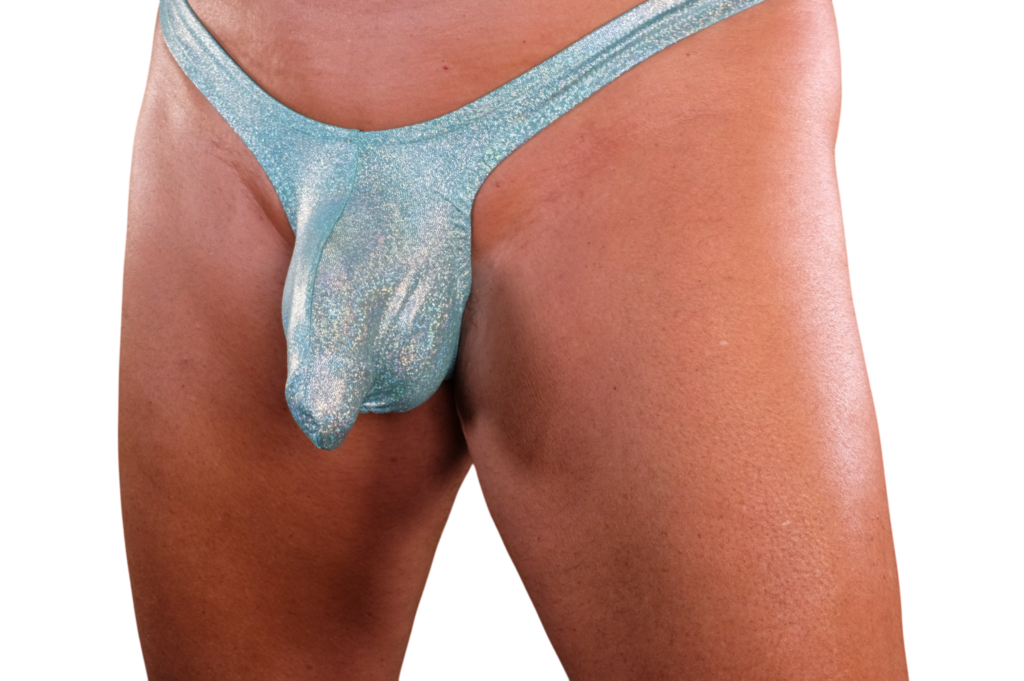
Pouch Swimwear

Pouch swimwear remains one of the most innovative categories in men’s swimwear.

These designs incorporate specialized front pouches that may:

  • Enhance comfort
  • Improve support
  • Separate anatomy naturally
  • Create a specific visual profile

Pouch swimwear comes in a wide variety of sizes and shapes.

Standard Pouch Styles

Provide:

  • Natural support
  • Improved comfort
  • Athletic functionality

Enlarging Pouch Designs

Designed to:

  • Create a more prominent appearance
  • Enhance contours
  • Emphasize anatomy

Micro-Pouch Styles

Focus on:

  • Reduced bulk
  • Minimal projection
  • Streamlined appearance

These have become increasingly popular among men seeking a more subtle profile.

Gender-Neutral Micro Swimwear

Gender-neutral swimwear is one of the fastest-growing categories in modern swim fashion.

These designs typically:

  • Minimize traditional gender cues
  • Feature clean silhouettes
  • Emphasize comfort
  • Appeal to diverse identities

Gender-neutral micro swimwear attracts a broad audience, including nonbinary individuals, femboys, and people seeking a less traditionally masculine appearance.

MTF Micro Swimwear

One of the newest innovations in the industry is MTF-specific micro swimwear.

These designs are created for transgender women, transfeminine individuals, and others seeking a feminine presentation while wearing minimal swimwear.

MTF Tucking Micros

Features may include:

  • Compression front panels
  • Feminizing construction
  • Secure support
  • Smooth silhouettes

These suits aim to create a flatter appearance while maintaining the small size and appearance of a micro bikini.

Feminizing Micro Bikinis

Some designs focus on:

  • Feminine shaping
  • High-cut leg openings
  • Narrow waist styling
  • Figure-enhancing construction

These styles often resemble mainstream women’s micro bikinis while incorporating anatomy-specific engineering.

No-Tuck MTF Micros

A growing category emphasizes comfort without requiring traditional tucking.

These designs use:

  • Strategic shaping
  • Compression zones
  • Supportive fabrics

to create a feminine appearance while maximizing comfort.

High-Cut Micro Styles

Inspired by 1980s and modern fitness fashion, high-cut swimwear has become increasingly popular.

Features include:

  • Elevated leg openings
  • Longer-looking legs
  • Feminine contours
  • Retro styling

Many micro bikinis and MTF designs incorporate high-cut elements.

Sheer and Semi-Sheer Micros

Some fashion-oriented swimwear incorporates:

  • Sheer fabrics
  • Mesh materials
  • Semi-transparent panels

These designs are generally intended for fashion, private events, or resort settings rather than athletic swimming.

Why Men Choose Micro Swimwear

The popularity of micro swimwear continues to grow for several reasons.

Common motivations include:

  • Improved tanning
  • Freedom of movement
  • Comfort
  • Fashion expression
  • Body confidence
  • Reduced fabric bulk
  • Interest in modern swimwear trends

For many enthusiasts, micro swimwear simply feels more natural and comfortable than traditional trunks.

Choosing the Right Micro Style

The best micro swimsuit depends on individual preferences.

Consider:

Coverage

How much coverage feels comfortable?

Activity

Will the suit be used for swimming, sunbathing, or both?

Body Type

Different cuts complement different physiques.

Confidence Level

Some styles are more public-friendly than others.

Desired Appearance

Athletic, fashion-forward, gender-neutral, and feminizing designs all create different visual effects.

The Future of Men’s Micro Swimwear

Micro swimwear continues to evolve as designers experiment with new fabrics, cuts, and concepts.

Growing trends include:

  • MTF transformation swimwear
  • Gender-neutral designs
  • Ultra-lightweight fabrics
  • Compression shaping technology
  • Sustainable materials
  • Fashion-forward micro cuts

As swimwear becomes more diverse and inclusive, men now have access to a wider range of styles than at any time in history.

Final Thoughts

Micro swimsuits represent one of the most exciting areas of modern men’s swimwear. From classic micro bikinis and athletic briefs to ultra-micro thongs, pouch-enhancing designs, gender-neutral styles, and sophisticated MTF transformation swimwear, there is now a micro swimsuit for nearly every preference and identity.

Whether the goal is comfort, tanning, athletic performance, feminine presentation, or simply enjoying smaller swimwear, the modern micro-swimwear market offers unprecedented variety and opportunities for self-expression.

Fun Micro Swimsuits

Fun Micro Swimsuits for Men and Women: How Tiny Swimwear Has Become a Global Trend

Swimwear has always reflected changing attitudes about fashion, confidence, comfort, and self-expression. Over the past few decades, one of the most noticeable trends has been the rise of micro swimsuits for both men and women. What began as a niche fashion statement has evolved into a worldwide movement, with designers creating increasingly smaller, more daring, and more creative swimwear styles than ever before.

Today’s micro swimsuits are no longer limited to fashion runways or exotic beaches. They can be found at resort destinations, tropical vacations, pool parties, cruise ships, and beaches around the world. For many wearers, these designs represent freedom, confidence, and a desire to enjoy the sun and water with as little restriction as possible.

What Is a Micro Swimsuit?

A micro swimsuit is exactly what the name suggests—a swimsuit designed with the minimum amount of fabric necessary to provide coverage while maintaining functionality.

Micro swimwear comes in many forms:

  • Micro bikinis
  • String bikinis
  • Micro briefs
  • Micro thongs
  • G-string swimsuits
  • Tanning suits
  • Ultra-low-rise styles
  • Minimal coverage competition designs

The defining feature is not necessarily the cut but the amount of fabric used. Every inch is carefully considered to maximize comfort, tanning, freedom of movement, and visual appeal.

Women’s Micro Swimwear: Pushing the Limits

Women have traditionally led the micro swimwear movement.

Over the years, women’s swimsuits have evolved from full-body bathing costumes to modern bikinis that often feature tiny triangles, narrow side straps, and minimal rear coverage.

Popular micro styles include:

Micro Triangle Bikinis

These feature extremely small fabric cups connected by thin strings. The design offers maximum adjustability and minimal tan lines.

String Bikinis

A classic beach favorite, string bikinis remain one of the smallest and most versatile swimsuit styles available.

Micro Thongs

Designed for minimal rear coverage, thong bikinis have become increasingly popular at beaches and resorts around the world.

Ultra-Micro Designs

These styles use just enough fabric to meet basic coverage requirements while creating an almost “barely there” appearance.

Many modern micro bikini enthusiasts specifically seek out these ultra-minimal designs for tanning, comfort, and fashion purposes.

Men Have Gone Micro Too

While women pioneered the micro swimsuit movement, men have rapidly embraced the trend as well.

Historically, men’s swimwear fluctuated between fitted briefs and oversized board shorts. Today, many men are rediscovering the appeal of smaller, body-conscious swimwear.

Modern men’s micro swimwear includes:

Micro Swim Briefs

These provide the familiar support of a traditional swim brief while reducing fabric to create a more streamlined look.

String Bikinis

Once considered unusual, string bikinis for men have become increasingly popular among those seeking maximum comfort and minimal tan lines.

Thong Swimsuits

Men’s swim thongs are now widely available in a variety of styles ranging from sporty to fashion-forward.

G-String Swimwear

These ultra-minimal designs provide the least amount of rear coverage while maximizing tanning potential.

Ultra-Micro Designs

Some modern men’s swimwear uses surprisingly small amounts of fabric, often rivaling or even matching the size of many women’s micro bikinis.

The result is a growing category of swimwear that prioritizes freedom, comfort, and individuality.

Why Are Swimsuits Getting Smaller?

Several factors have contributed to the micro swimwear trend.

Better Tans

One of the biggest motivations is reducing tan lines.

Less fabric means more sun exposure and a more even tan.

Improved Comfort

Many wearers report that micro swimwear feels lighter and less restrictive than larger styles.

There is less fabric to bunch up, cling to the body, or remain wet after swimming.

Confidence and Body Positivity

Modern culture increasingly encourages people to feel comfortable in their own skin.

Micro swimwear allows many individuals to celebrate their fitness achievements and personal confidence.

Travel and International Influence

In many countries, smaller swimwear styles have long been common.

As travel becomes more accessible, people are exposed to different beach cultures and fashion trends, bringing those influences home.

Social Media Exposure

Platforms such as Instagram and travel blogs have dramatically increased visibility for micro swimwear.

What once seemed unusual now appears regularly in vacation photos, fitness content, and beach fashion posts.

Modern Fabric Technology

Today’s micro swimsuits are possible because of advances in fabric technology.

Modern materials offer:

  • Four-way stretch
  • Shape retention
  • Fast drying
  • UV resistance
  • Chlorine resistance
  • Improved comfort

These fabrics allow designers to create smaller garments that still provide support, durability, and functionality.

Without modern stretch materials, many of today’s micro designs simply would not be practical.

The Fun Factor

Perhaps the biggest reason people love micro swimwear is that it is simply fun.

Micro swimsuits often feel different from everyday clothing. They encourage a vacation mindset and create a sense of freedom associated with beaches, sunshine, and relaxation.

For many people, wearing a micro swimsuit feels playful, adventurous, and liberating.

The styles often spark conversations, build confidence, and create memorable vacation experiences.

Finding the Right Micro Swimsuit

Not every micro swimsuit is designed for every situation.

When choosing a style, consider:

  • Your comfort level
  • The location you’re visiting
  • Local beach customs
  • Desired tan line size
  • Swimming activity level
  • Fabric quality

Many first-time wearers begin with a moderate micro brief or bikini before gradually exploring more minimal designs.

The Future of Micro Swimwear

The trend toward smaller swimwear shows no signs of slowing down.

Both men and women continue to seek designs that maximize comfort, minimize tan lines, and provide opportunities for self-expression. Designers are constantly experimenting with new cuts, fabrics, and construction techniques to create even more innovative swimwear.

What was once considered extreme has become increasingly mainstream, and today’s micro swimsuits are available in more styles than ever before.

Whether it’s a tiny string bikini, a sleek micro brief, a fashionable thong, or an ultra-minimal tanning suit, micro swimwear has firmly established itself as one of the most exciting and enduring trends in modern beach fashion.

Micro Swimsuit

The Micro Swimsuit Revolution: How Ultra-Small Swimwear for Men and Women Is Redefining Beach Fashion

Swimwear has always reflected changing ideas about fashion, confidence, body image, and social boundaries. Over the past several decades, styles for both men and women have steadily evolved toward smaller silhouettes, more daring cuts, and increasingly body-conscious designs. What was once considered shocking or niche has, in many places, become part of mainstream beach culture.

Today, one of the most striking developments in swim fashion is the rise of the micro swimsuit—a category defined by minimal fabric, maximum visual impact, and a growing embrace of personal expression. While women’s micro bikinis have long pushed boundaries in fashion, tanning, and resort culture, some of the newest men’s micro swimsuit designs are now matching—or in some cases surpassing—the minimalism of the smallest women’s styles.

This shift marks a fascinating turning point in swimwear history.

What Is a Micro Swimsuit?

A micro swimsuit is generally defined by dramatically reduced fabric coverage compared to traditional swimwear. These designs often prioritize:

  • Minimal tan lines
  • Extreme body contouring
  • Fashion experimentation
  • Confidence and boldness
  • Greater skin exposure

Micro swimwear can include:

For Women:

  • Micro bikinis
  • String bikinis
  • G-string bikinis
  • Brazilian cuts
  • Ultra-micro triangle tops and bottoms

For Men:

  • Micro briefs
  • String bikinis
  • Thongs
  • G-strings
  • Ultra-micro pouch suits
  • Sculpted or flattening micro silhouettes

At its core, micro swimwear is about pushing the limits of how little fabric can still function as swimwear.

Women’s Micro Swimwear: The Original Boundary Pusher

Women’s swimwear has historically led the movement toward smaller designs.

Key milestones:

1940s–50s:

The bikini itself was once revolutionary.

1970s–80s:

Brazilian cuts and thong backs expanded minimalism.

1990s–2000s:

String bikinis and ultra-low-rise designs became global fashion staples.

Today:

Micro bikinis can be extraordinarily minimal, often focused on tanning, sensuality, and visual aesthetics.

Women’s micro swimwear has long been associated with:

  • Beach glamour
  • Resort fashion
  • Body confidence
  • Competition tanning
  • Fashion editorial culture

The New Men’s Micro Trend: Catching Up—and Sometimes Going Smaller

Historically, men’s swimwear remained more conservative for longer periods, dominated by trunks, board shorts, and athletic briefs. But that has changed dramatically.

Modern men’s micro swimwear now includes designs so reduced that some rival or exceed the minimal coverage of women’s micros.

New men’s innovations include:

  • Ultra-narrow front pouches
  • String side cuts
  • High-cut leg openings
  • Minimal rear coverage
  • Thongs and G-strings
  • Compression micro pouches
  • MTF-inspired smooth front micro designs

In some extreme categories, men’s suits may use only enough fabric to cover essential anatomy—sometimes with less total surface area than women’s micro bottoms.

Why Men’s Designs Are Shrinking So Dramatically

1. Global Fashion Influence

European, Brazilian, and niche designer markets have normalized smaller cuts.

2. Confidence Culture

More men are embracing body-positive fashion and self-expression.

3. Performance and Tanning

Minimal fabric means reduced drag and fewer tan lines.

4. Social Media and Visual Branding

Swimwear has become more than functional—it is now highly curated visual identity.

5. Expanded Masculinity

Many men are increasingly rejecting outdated assumptions that smaller swimwear is inherently feminine.

Comparing Men’s and Women’s Micro Styles

Similarities:

  • Minimal coverage
  • String side construction
  • High-cut legs
  • Fashion-forward silhouettes
  • Emphasis on body shape
  • Greater skin visibility

Differences:

Women:

Often prioritize bust support plus bottom minimalism.

Men:

Pouch engineering becomes central, balancing support, shape, compression, or enhancement.

This makes men’s micro design uniquely technical, as designers work to minimize fabric while still addressing anatomy.

The Rise of Pouch Innovation in Men’s Micros

One major factor driving the men’s micro revolution is advanced pouch design.

Common styles:

Natural Pouch

Balances support and contour.

Enhancing Pouch

Accentuates shape.

Micro Pouch

Uses extremely small coverage.

Compression Pouch

Minimizes projection.

MTF/Flattening Pouch

Creates a smoother, less prominent silhouette.

This innovation allows men’s suits to reduce fabric dramatically while still functioning structurally.

The Gender Line Is Blurring

One of the most interesting aspects of the micro trend is how design boundaries between men’s and women’s swimwear are narrowing.

Today, many men’s micro styles feature:

  • String waists
  • Brazilian backs
  • High-cut hips
  • Sheer fabrics
  • Feminized silhouettes

Meanwhile, women’s styles continue experimenting with athletic, sporty, or androgynous influences.

The result is a broader swimwear culture focused less on strict gender rules and more on design freedom.

Public Perception: From Shock to Style

Micro swimwear still generates reactions, but cultural attitudes are shifting.

Once:

“Too revealing.”

Increasingly:

“Bold, stylish, confident.”

This is especially true in:

  • Brazil
  • Spain
  • France
  • Ibiza
  • Mykonos
  • LGBTQ+ beach spaces
  • Fashion-forward resort markets

In more conservative markets, these styles remain less common—but visibility is growing.

The Psychology of Wearing Micro

Whether male or female, wearing a micro swimsuit often involves a psychological leap.

Common emotions:

  • Vulnerability
  • Excitement
  • Confidence
  • Fear of judgment
  • Liberation

Many first-time wearers report that anticipation is often more intimidating than reality. Once worn, micro swimwear can feel surprisingly empowering.

Fabric Technology Makes It Possible

Without modern stretch fabrics, this trend would be difficult to sustain.

Critical materials:

  • Lycra
  • Spandex
  • Nylon blends
  • Polyamide
  • Compression textiles

These fabrics allow ultra-small garments to:

  • Stay secure
  • Dry quickly
  • Stretch effectively
  • Retain shape

The Future of Micro Swimwear

As body confidence, inclusivity, and fashion experimentation continue to expand, micro swimwear is likely to keep evolving.

Likely future directions:

  • More gender-fluid cuts
  • Smarter pouch engineering
  • Sustainable micro fabrics
  • Mainstream thong adoption for men
  • Even more customizable silhouettes

Final Thoughts: Smaller Than Ever, Broader Than Ever

The micro swimsuit trend is no longer just about showing more skin—it reflects changing attitudes about fashion, confidence, and who gets to wear what. Women’s micro swimwear opened the door decades ago, but men’s swimwear is now rapidly catching up, with some designs becoming just as small—or even smaller—than the tiniest women’s micros.

This evolution signals something bigger than fabric reduction: it represents freedom of style.

For women, micro swimwear has long symbolized boldness and body confidence.
For men, it increasingly represents a growing willingness to challenge norms, embrace individuality, and redefine swimwear on their own terms.

In today’s swimwear world, smaller doesn’t just mean less fabric—it often means more confidence, more innovation, and more choice than ever before.

Micro Swimsuits Men are going Micro!

Micro Swimsuits: Why Men Are Going Smaller Than Ever

In recent years, men’s swimwear has undergone a dramatic shift. What was once dominated by knee-length board shorts and conservative trunks has evolved into a spectrum of increasingly minimal designs—micro bikinis, ultra-micro briefs, thongs, and even pouch-only styles. This movement toward smaller, more form-fitting swimwear isn’t just a niche trend—it reflects broader changes in fashion, body confidence, gender expression, and cultural norms.

This article takes a deep dive into why men are embracing micro swimsuits, the different styles available, and what’s driving this global shift.


The Evolution Toward Micro

The journey to micro swimwear didn’t happen overnight. It follows a clear progression:

  • Board Shorts Era: Loose, long, and rooted in surf culture, these dominated mainstream men’s swimwear for decades.
  • Speedo/Brief Era: Competitive swimwear and European beach culture introduced tighter, shorter suits.
  • Bikini Cuts for Men: Narrower sides, lower rises, and more contouring around the body.
  • Micro & Ultra-Micro Designs: Minimal coverage, highly sculpted fits, and bold aesthetics.

Each step reduced fabric while increasing body visibility and emphasis on form. Today’s micro styles represent the most extreme and expressive endpoint of that evolution.


What Defines a “Micro” Swimsuit?

Micro swimsuits are defined by minimal fabric, precision shaping, and body-enhancing construction. They are designed not just to cover, but to contour and highlight.

Key characteristics include:

  • Ultra-narrow waistbands or side straps
  • High-cut leg openings
  • Reduced front and rear coverage
  • Stretch fabrics (often spandex blends) for tight fit
  • Focus on pouch structure and shaping

The goal is not modesty—it’s presentation, confidence, and aesthetic impact.


Popular Micro Swimsuit Styles for Men

1. Micro Bikini Briefs

These are the gateway into micro swimwear.

  • Slim side panels (often ½ inch to 1 inch)
  • Contoured front pouch
  • Moderate rear coverage (but still minimal compared to traditional briefs)

They maintain a recognizable “brief” look while pushing boundaries.


2. Ultra-Micro Bikinis

Taking things further:

  • Extremely thin side straps (string-like)
  • Reduced front panel height
  • High-cut hips that elongate the legs

These designs are often seen in fashion-forward beach scenes and resort environments.


3. Thongs and G-Strings

Minimal rear coverage defines these styles.

  • Thongs: narrow strip at the back
  • G-strings: even thinner, often just a cord

Front pouches vary widely, from supportive to ultra-minimal. These are popular among men seeking maximum tan exposure and bold expression.


4. Pouch-Only Designs

At the extreme end of micro design:

  • Fabric is concentrated almost entirely in the front pouch
  • Waistbands are thin or string-based
  • Rear coverage is nearly nonexistent or completely absent

These suits focus heavily on engineering the pouch—creating lift, shaping, or even minimizing appearance depending on the design intent.


5. Gender-Neutral / Feminizing Micro Styles

A growing category includes designs that:

  • Flatten or reshape the front profile
  • Mimic smoother, more feminine contours
  • Use compression or strategic paneling

These styles are popular among wearers exploring gender expression or seeking a different silhouette.


The Rise of Pouch Design Innovation

One of the most important aspects of modern micro swimwear is the pouch.

Different pouch styles include:

  • Enhancing Pouches: Lift and project for a fuller look
  • Contour Pouches: Follow natural shape for comfort and realism
  • Compression / Flattening Pouches: Reduce projection for a smoother front
  • Micro Pouches: Extremely small, minimizing visible size
  • Ergonomic Split or Seamed Pouches: Designed for anatomical fit

Designers now treat the pouch as the centerpiece of the suit—balancing aesthetics, comfort, and intention.


Why Men Are Choosing Micro Swimsuits

1. Body Confidence and Fitness Culture

Modern fitness culture emphasizes physique—abs, legs, glutes. Micro swimwear allows men to show the results of their work.

Wearing less fabric is often seen as a statement of confidence:

  • “I’m comfortable in my body”
  • “I don’t need to hide behind loose clothing”

2. Influence from Global Beach Culture

In many parts of Europe and South America, smaller men’s swimwear has long been normal.

As global travel and social media expand exposure:

  • Men see alternatives to board shorts
  • Cultural norms begin to shift

What was once “bold” becomes stylish and acceptable.


3. Fashion Meets Function

Micro swimsuits are not just about looks:

  • Better tanning (minimal tan lines)
  • Less drag in water
  • Quick-drying fabrics
  • Lightweight and comfortable

They combine practicality with visual appeal.


4. Gender Expression and Fluidity

Micro swimwear allows men to explore:

  • Feminine aesthetics
  • Androgynous styles
  • Body shaping and presentation

The rise of gender-fluid fashion has made these designs more visible and accepted.


5. The Online Retail Boom

Traditional stores often avoid extreme designs, but online retailers have changed everything.

Men now have access to:

  • Thousands of niche designs
  • Specialized fits and pouch options
  • Experimental and cutting-edge styles

This accessibility has fueled rapid growth in the micro category.


Where Men Are Wearing Micro Swimsuits

While not universal everywhere, micro swimwear is increasingly common in:

  • Fashion-forward beaches (e.g., Los Angeles, Miami, Ibiza)
  • Resort pools and private settings
  • LGBTQ+ beach communities
  • International destinations with relaxed norms

Acceptance varies by location, but the trend is clearly expanding.


First-Time Wearer Considerations

For men curious about going micro:

  • Start with a micro bikini brief before moving to thongs or ultra-micros
  • Choose a pouch style that matches your comfort level
  • Practice wearing at home to get used to the fit
  • Pair with confidence—attitude is everything

The biggest hurdle is often psychological, not physical.


The Future of Micro Swimwear

The trajectory is clear: smaller, more specialized, more expressive.

Future developments will likely include:

  • Advanced fabric technology (ultra-thin, high-performance blends)
  • More customizable pouch engineering
  • Increased crossover with gender-inclusive fashion
  • Greater mainstream acceptance

What was once fringe is steadily becoming part of the broader conversation in men’s fashion.


Final Thoughts

Micro swimsuits represent more than just less fabric—they reflect a shift in how men view their bodies, identity, and style. Whether driven by confidence, aesthetics, or curiosity, more men are stepping away from traditional swimwear and embracing designs that are bold, minimal, and unapologetically expressive.

The message is simple: men are going micro—and they’re not looking back.

Micro Swimsuits are the Future

Micro Swimsuits: Why the Future of Swimwear Is Getting Smaller for Everyone

For decades, swimwear trends have followed a familiar pattern—styles become a little more revealing, push cultural boundaries, and eventually settle into the mainstream. From the introduction of the bikini in the 1940s to the thong bikini boom of the 1980s and 1990s, each generation has embraced designs that offer greater freedom, body confidence, and self-expression.

Today, a new evolution in swimwear is rapidly gaining popularity around the world: micro swimsuits. These ultra-minimal designs—worn by both women and men—are redefining what beach fashion looks like and how people experience the water, sun, and their own bodies.

Micro swimwear is not just about being provocative. It reflects broader cultural shifts toward body positivity, gender expression, comfort, and individuality. For many people, the future of swimwear isn’t about more fabric—it’s about less restriction and more freedom.


The Evolution Toward Minimalism

Swimwear has consistently trended toward smaller and more body-focused designs.

In earlier decades, swimsuits were designed primarily for modesty. Full-body bathing suits made from heavy materials were common in the early 20th century. Over time, lighter fabrics and changing social attitudes allowed swimwear to become more practical and expressive.

Several key trends paved the way for the micro swimsuit movement:

  • The bikini revolution, which challenged cultural norms.
  • The Brazilian thong bikini, popularized on beaches like Rio de Janeiro.
  • The rise of body-conscious athletic wear such as Speedo-style briefs.
  • The growth of stretch fabrics like spandex and Lycra, allowing suits to fit closer and use less material.

Each step made it easier for designers to experiment with smaller cuts and more daring silhouettes. Micro swimwear is simply the next logical step in this long progression.


What Defines a Micro Swimsuit?

Micro swimsuits are defined by their minimal coverage and highly contoured designs. Rather than hiding the body, they highlight its natural shape.

Typical characteristics include:

Ultra-small front coverage
Front panels are designed to cover only what is necessary while shaping the body in a flattering way.

High-cut sides
Leg openings are extremely high, creating longer-looking legs and a sculpted silhouette.

Thong or ultra-minimal backs
Most micro designs use thong, Brazilian, or V-string backs.

Advanced stretch fabrics
Modern swim materials allow extremely small suits to remain comfortable, supportive, and secure.

Body-contouring construction
The suit works with the body rather than against it, creating a sleek, second-skin look.

The result is swimwear that feels almost invisible while visually enhancing the body.


Why Women Are Embracing Micro Swimwear

Women have long been at the forefront of swimwear trends, and micro swimsuits represent the latest expression of confidence and personal style.

Several factors are driving the popularity of these designs.

Body Confidence

Micro swimsuits celebrate the natural body rather than trying to conceal it. Many women view them as empowering, allowing them to express confidence in their physical form.

Tanning Efficiency

Minimal fabric means minimal tan lines, which is a major appeal for beachgoers who spend long hours in the sun.

Fashion and Individuality

Micro swimwear allows wearers to stand out. With countless cuts, colors, and designs, women can choose styles that reflect their personality.

Comfort and Freedom

Less fabric can also mean less restriction. Many wearers find micro suits more comfortable than traditional bikinis once they get used to the minimal coverage.


Why Men Are Joining the Micro Swimwear Trend

One of the most interesting developments in recent years is the rapid growth of micro swimwear for men.

Traditionally, men’s swimwear leaned toward longer shorts or conservative briefs. However, cultural attitudes around masculinity and self-expression are evolving.

Today, many men are embracing smaller swimwear styles for several reasons.

Athletic and Sculpted Look

Micro swimwear highlights muscle tone and body shape, similar to athletic wear or competition suits.

Comfort and Mobility

With less fabric, there is less drag in the water and more freedom of movement.

Fashion Evolution

Just as women moved beyond conservative swimwear decades ago, men are now exploring a wider spectrum of styles—from classic briefs to ultra-micro designs.

Confidence and Self-Expression

Many men enjoy the boldness of wearing something unconventional and expressing a different side of their personality at the beach or pool.


Gender Fluidity and the New Swimwear Landscape

Another reason micro swimwear is gaining momentum is the rise of gender-fluid fashion.

Modern swimwear is increasingly designed to accommodate a wide range of bodies and identities. Some micro styles blur traditional gender lines, creating designs that can be worn by anyone.

Examples include:

  • Feminine cuts designed for male bodies
  • Gender-neutral minimal suits
  • Transformational swimwear that reshapes the silhouette
  • Adaptive designs for transgender wearers

These innovations show that swimwear is no longer confined to rigid gender categories.


The Influence of Social Media

Social media has played a massive role in normalizing micro swimwear.

Platforms like Instagram, TikTok, and beach lifestyle blogs have exposed millions of people to swimwear styles from around the world. What once seemed daring is now increasingly common.

Photos from beaches in places like:

  • Brazil
  • Spain
  • Southern France
  • Miami
  • Los Angeles

often feature people wearing minimal swimwear styles, influencing global fashion trends.

As more people see these styles online, curiosity turns into experimentation—and eventually acceptance.


Fabric Technology Makes Micro Possible

The future of micro swimwear has been made possible by major advancements in fabric technology.

Modern swim fabrics include:

  • Ultra-stretch spandex blends
  • Four-way stretch Lycra
  • Quick-drying microfiber
  • Shape-retaining elastics

These materials allow designers to create incredibly small suits that remain supportive and comfortable.

Without these fabrics, micro swimwear would not function properly.


The Cultural Shift Toward Body Positivity

Perhaps the biggest factor behind the micro swimwear trend is a broader cultural shift toward body positivity and self-acceptance.

More people today believe that everyone deserves to enjoy the beach regardless of body type, gender identity, or personal style.

Micro swimwear embraces this philosophy by encouraging people to:

  • celebrate their bodies
  • reject unnecessary shame
  • express themselves freely

For many wearers, the suit itself becomes a symbol of confidence and personal freedom.


The Future of Swimwear

Fashion cycles constantly evolve, but several signs suggest micro swimwear is not just a temporary trend.

Younger generations tend to favor:

  • bold self-expression
  • gender-neutral fashion
  • minimal, athletic designs
  • body-positive aesthetics

These values align perfectly with micro swimwear.

As designers continue to experiment with new cuts, fabrics, and shapes, the category will likely expand even further. What seems daring today may become standard beachwear tomorrow.


Conclusion

Micro swimsuits represent more than just smaller swimwear—they reflect a changing culture.

They combine fashion, comfort, confidence, and self-expression in a way that resonates with modern beachgoers. As attitudes toward bodies and gender continue to evolve, swimwear is becoming more inclusive, more creative, and more daring.

For both men and women, the future of swimwear may not be about covering up—it may be about embracing the freedom that comes with wearing less.

How does it feel to wear Micro Swimsuits?

How Does It Feel to Wear Micro Swimsuits?

A first-person perspective

I didn’t expect a piece of fabric so small to create such a big shift in how I felt—physically, mentally, and socially. Wearing a micro swimsuit isn’t just about less coverage; it’s about awareness. Of your body. Of your posture. Of how you move through space when there’s nowhere to hide.

Here’s what it really feels like, from the inside.


The First Moment: Putting It On

The first sensation is surprise. You hold it up and think, There’s no way this works. Then you step into it, pull it up, and suddenly everything is… contained. Secure. Surprisingly intentional.

There’s a moment of vulnerability when you look in the mirror. No baggy fabric, no distraction. Just you. That can be confronting—but also grounding. It forces honesty. You see your body as it is, not filtered through loose shorts or long boardies.


Physical Sensation: Light, Bare, and Aware

Physically, a micro swimsuit feels almost like wearing nothing—but better controlled.

  • Minimal fabric means no bunching, no dragging, no water-logged heaviness.
  • The suit stays put. Once adjusted, it doesn’t shift or flap.
  • Water contact is more intense. You feel waves, spray, sun, and breeze directly on your skin.

There’s also a heightened awareness of movement. Every step, stretch, or swim stroke feels deliberate. You stand taller. You move with more care. It subtly changes your body language.


Psychological Impact: Confidence Through Exposure

This was the biggest surprise for me.

At first, there’s self-consciousness:

  • Are people staring?
  • Do I look ridiculous?
  • Am I allowed to wear this?

But then something flips.

You realize:

  • No one explodes.
  • The world keeps turning.
  • Most people don’t care—or they admire the confidence.

That’s when confidence starts to replace anxiety. Not bravado, not arrogance—just calm ownership. You’re no longer hiding behind fabric. You’re choosing visibility.

And that choice feels powerful.


Public Awareness: Seen, But Not Unsafe

Yes, you are more visible. That’s the point. But visibility doesn’t automatically mean danger or ridicule.

What I noticed:

  • Quick glances, not prolonged stares.
  • Occasional smiles.
  • Sometimes curiosity, sometimes envy.

The key is how you carry yourself. When you act like it’s normal, it becomes normal. Confidence is contagious; discomfort is too. Micro swimwear amplifies whatever energy you bring into the space.


Sensual Without Being Sexual

This is important: wearing a micro swimsuit feels sensual, not explicit.

There’s:

  • The sun warming skin that’s usually covered.
  • The feel of water moving freely.
  • The subtle pressure and support of a well-designed cut.

It heightens sensory awareness without turning the experience into something performative or obscene. It’s about embodiment, not exhibitionism.


Body Acceptance (Even If You’re Not “Perfect”)

I don’t have a model’s body. Most guys don’t.

Wearing a micro swimsuit didn’t magically change that—but it changed how I related to it. Instead of asking, Is my body good enough? the question became, Why shouldn’t it be?

You stop negotiating with yourself. You stop waiting for permission. The suit doesn’t demand perfection—it demands presence.


Afterward: A Shift That Sticks

Once you’ve worn a micro swimsuit in public, other swimwear feels… excessive. Heavy. Unnecessary.

More importantly, the confidence doesn’t disappear when you change clothes. It lingers:

  • In how you stand.
  • In how you take up space.
  • In how you allow yourself to be seen.

It’s not about the swimsuit anymore. It’s about the mindset it unlocked.


Final Thoughts

Wearing a micro swimsuit feels like stepping into a spotlight you control. It’s light, freeing, exposing—but also grounding and affirming. It challenges old ideas about masculinity, modesty, and who gets to feel attractive in public.

For me, it wasn’t about showing off.
It was about showing up.

And once you do that—even in the smallest amount of fabric—it’s hard to go back.

Micro Swimsuits are for Men Too!

Micro Swimsuits Are for Men Too!

Why the tiniest swimwear on the beach isn’t “just for the girls” anymore

For decades, swimwear has carried a weird double standard: women could wear the smallest bikinis imaginable and it was “fashion,” but if a man wore anything smaller than a traditional brief, it was instantly labeled “crazy,” “too much,” or “not for him.” That old rulebook is getting shredded in real time. Micro swimsuits are absolutely for men too—and in many scenes (beaches, resort pools, cruises, private clubs, and fashion-forward destinations), men are wearing designs that are every bit as minimal as women’s micro bikinis… and sometimes even smaller.

This isn’t a gimmick. It’s a mix of modern fabric engineering, body-positive confidence, and changing style culture—plus the simple truth that minimal swimwear feels amazing when it’s designed correctly.


1) Micro doesn’t mean “women’s”—it means “minimal”

“Micro” is a sizing philosophy, not a gender label.

Micro swimwear focuses on:

  • Less coverage
  • Higher leg lines
  • Thinner waistbands and side straps
  • Minimal back coverage
  • Lightweight, second-skin fabric
  • Design-driven shaping and support (especially in front for men)

Women’s micro suits often minimize coverage across the bust and hips. Men’s micro suits take on a different design challenge: they minimize fabric while still controlling fit, security, and shape up front. That’s where men’s micro designs get really interesting—because they often use construction tricks that make them feel more engineered than many women’s suits.


2) Why men are going micro now

A lot of men are choosing micro suits for reasons that have nothing to do with “trying to be shocking.”

Confidence and body-positivity

Micro suits say: I’m comfortable in my body. That attitude has become more mainstream, especially in fitness culture, beach travel culture, and social media-driven fashion.

Comfort and freedom

When a micro suit is properly designed, it can feel:

  • Cooler in hot weather
  • Less restrictive than boardshorts
  • More “barely there” than traditional trunks
  • Better for swimming/tanning than heavier styles

The “fashion” factor

Men’s swimwear used to be “shorts, shorts, or slightly different shorts.” Micro styles are one of the few categories where men’s swimwear is genuinely evolving—new silhouettes, bolder cuts, more variety.

Better tanning

Whether it’s a full micro brief or a thong, less fabric means fewer tan lines. That alone is a huge motivator for a lot of guys.


3) Men’s micro designs can be smaller than women’s—here’s why

This surprises people until they see it in person.

Ultra-thin side straps

Some men’s micro bikinis and micro thongs use side straps so thin they resemble women’s string bikinis—or even thinner—because men’s styles sometimes prioritize the “floating” look: a tiny front panel, minimal connection points, and a barely-there waistband.

Extreme back cuts (especially thongs and G-strings)

Women’s micro bottoms are often cheeky or thong. Men’s micro bottoms can go even further into:

  • High-cut thongs
  • Narrow string-backed thongs
  • True G-strings with minimal rear coverage
  • “T-back” or “strap-back” designs

Because the back is simpler structurally, designers can reduce the fabric to almost nothing.

Front coverage becomes strategic, not large

A lot of women’s micro suits use small triangles and tiny bottoms—but men’s micro suits sometimes look smaller overall because the front is sculpted rather than broad. Instead of “more fabric,” the suit relies on:

  • A shaped pouch
  • Compression-stretch fabric
  • Seams that stabilize without adding width

The result can be a suit that looks incredibly tiny while still being functional.


4) The main micro styles for men (and what makes each work)

Here are the most common men’s micro silhouettes, from “bold but approachable” to “tiny on purpose.”

Micro brief (the gateway micro)

  • Looks like a very small swim brief with higher leg cuts
  • Offers the most “secure” feel for first-timers
  • Great for swimming, tanning, walking around

Why it works: It’s compact, flattering, and still feels athletic.


Micro bikini (smaller than you think)

  • Smaller front panel than a brief
  • Narrow sides, often higher-cut
  • Can look very “fashion” rather than “sport”

Why it works: It hits that sweet spot where it’s undeniably micro without being a thong.


Micro thong (where micro becomes a statement)

  • Minimal back coverage
  • Front still shaped for support
  • Often high-cut on the hips for a longer-leg look

Why it works: It’s the best combo of “tiny” and “wearable” once you get used to it.


G-string (the smallest mainstream men’s swimsuit)

  • Rear is essentially a thin string
  • Front is minimized to the smallest functional panel
  • Often designed to feel like you’re wearing almost nothing

Why it works: It’s the most extreme “micro” while still being a real swimsuit.


Ultra-micro / “barely there” designs (next-level tiny)

These are for guys who want the absolute minimum fabric:

  • Micro front panels
  • Ultra-thin straps
  • Extreme cuts and high angles
  • Often designed for tanning, posing, private pools, or fashion-forward venues

Why it works: It’s pure minimalism—like swimwear stripped down to geometry.


5) Fit matters more for men—here’s what makes a men’s micro suit “good”

Micro swimwear is unforgiving. When it’s designed well, it looks sharp and feels secure. When it’s not, it can ride, pinch, or shift.

Look for:

  • Strong stretch recovery (so it snaps back and stays in place)
  • A shaped front (pouch or contoured panel) for comfort and stability
  • Clean seams that don’t chafe when wet
  • Quality lining (or purposeful unlined design) depending on how “micro” you want it
  • Secure waist construction (thin doesn’t have to mean weak)

A well-made men’s micro suit should feel like it’s hugging, not fighting you.


6) The psychology: why micro on men hits differently (and why that’s changing)

Men’s micro swimwear breaks two old assumptions:

  1. Men must wear “coverage” to look acceptable
  2. Men’s bodies must be styled for practicality, not display

But modern culture has shifted:

  • Fitness and aesthetics are mainstream for men
  • Gendered fashion rules are loosening
  • Self-expression is more celebrated
  • Plenty of straight men, gay men, and everyone in between wear micro just because they like it

Micro swimwear doesn’t “mean” one thing. It can be:

  • Athletic
  • Fashion-forward
  • Sexy
  • Playful
  • Minimalist
  • Confidence-based
  • Simply comfortable

The meaning comes from the person wearing it—not from the cut of fabric.


7) How to start wearing men’s micro without feeling weird

If you’re curious but cautious, ease in like this:

  1. Start with a small brief (high cut, snug fit)
  2. Move to a micro bikini (narrow sides, smaller front)
  3. Try a thong for the full micro experience
  4. Go G-string if you love the “barely there” feel

Tips that make it easier:

  • Choose a fabric that feels supportive (not flimsy)
  • Go for a fit that’s snug in the waist and secure in front
  • Practice wearing it at home first
  • Wear it where micro styles are more common (resorts, adult pools, beach towns, cruises, private pool days)

Confidence grows fast once you realize: most people don’t care nearly as much as you think—and the ones who do are usually just reacting to something bold.


8) The real truth: micro is the future of men’s swimwear variety

Men’s swimwear is expanding in the same way women’s did—more cuts, more choices, more freedom to match mood and personality. Micro suits are part of that evolution, not a novelty.

And yes: when you look at the tiniest men’s micro bikinis, thongs, and G-strings out there, it becomes obvious that some men’s suits are absolutely smaller than what many women are wearing—because men’s micro designs have become their own category of extreme minimalism.

Micro isn’t “for girls.”
Micro is for anyone who likes minimal fabric, bold style, and the confidence that comes with wearing exactly what they want.

Micro Swimsuits

How Micro Swimsuits Are Redefining the Swimwear Scene for Men and Women

In a bold shift from traditional boardshorts and modest one-pieces, micro swimsuits are reshaping how society views swimwear, body image, and personal expression. Once relegated to niche fashion circles and avant-garde beach culture, these minimalist designs are now making waves in mainstream swimwear — not just as a daring trend, but as a cultural movement reshaping style, confidence, and inclusivity.


What Are Micro Swimsuits?

Micro swimsuits are ultra-minimalist bathing suits that strip swimwear down to its essential elements — often featuring narrow cuts, daring silhouettes, and minimal fabric coverage. For women, this might mean micro bikinis with tiny triangle tops and barely-there bottoms; for men, micro briefs and micro trunks that prioritize bold self-expression over coverage.

These swimsuits are designed to accentuate the body rather than conceal it, celebrating form, confidence, and comfort with skin-forward aesthetics.


The Evolution of Swimwear: From Functional to Expressive

Swimwear has come a long way. Traditionally, swimsuits focused on functionality, modesty, and performance — think of the tank-like suits of the early 20th century or the boardshorts and rash guards of the 1990s and 2000s. But the fashion world thrives on reinvention.

Micro swimsuits reflect a broader cultural shift:

  • Fashion as Self-Expression: Swimwear is no longer just about utility — it’s a canvas for identity, mood, and personal style.
  • Body Positivity Movement: Greater acceptance of diverse body types has encouraged people to embrace bold, revealing designs without shame.
  • Social Media Influence: Platforms like Instagram and TikTok fuel visibility and normalizing of more daring swim looks.

Why Micro Swimsuits Are Trending

1. Bold Body Confidence

One of the biggest drivers behind the micro swimwear movement is confidence. These pieces invite wearers to embrace their bodies unapologetically — a powerful statement in a culture historically riddled with body shaming.

2. Fashion Forward Aesthetic

Micro swimsuits are inherently fashion-driven. Their sleek lines and minimal coverage mimic runway innovation, translating high fashion into beach and pool style.

3. Inclusivity and Variety

Contrary to misconceptions, micro swimwear doesn’t cater to a single body type. Designers are increasingly offering:

  • Stretch fabrics and flexible designs
  • Adaptive sizes and customizable fits
  • Variations that flatter different shapes and comfort levels

This broadens the appeal from niche to universal.

4. Cultural Rebellion and Empowerment

For many wearers, choosing micro swimwear is a form of empowerment — rejecting restrictive norms and embracing freedom in personal style. It’s about choosing what makes you feel bold, not what tradition dictates.


Micro Swimwear for Everyone: Men and Women

Historically, women were the primary audience for revealing swimwear. But micro designs have equally permeated men’s styles:

♀️ Women’s Micro Swimwear

  • Tiny bikini tops, micro triangle cuts
  • Brazilian-style bottoms and string micro bottoms
  • High-cut, cheek-accentuating silhouettes

♂️ Men’s Micro Swimwear

  • Micro briefs and tiny trunks
  • Low-rise cuts with high leg openings
  • Sleek, supportive designs that emphasize physique

This crossover signals a broader redefinition of masculinity and femininity in swimwear — where confidence and comfort take precedence.


The Impact on the Fashion Industry

Micro swimsuits are influencing fashion in several ways:

  • Runway Inspiration: Major designers are embracing micro elements in swim collections.
  • Retail Expansion: Swimwear brands are expanding size ranges and bold offerings to meet demand.
  • Cultural Conversations: Conversations about body image, self-confidence, and inclusivity are more mainstream and impactful.

How to Wear Micro Swimwear With Confidence

If you’re considering trying micro swimwear, here are a few tips to help you feel your best:

🧴 Choose the Right Fabric

Look for stretchy, skin-friendly materials that move with your body — think nylon-spandex blends.

👌 Find the Perfect Fit

Fit is essential! A tailored fit enhances comfort and ensures confidence.

🎨 Express Your Style

Opt for colors and patterns that reflect your vibe — bold solids, playful prints, or chic neutrals.

💪 Embrace Your Body

Confidence comes from within. Wear micro swimwear because you want to feel empowered, not because you’re pressured to conform.


The Future of Swimwear

Micro swimsuits are more than a trendy fad — they represent a broader cultural moment where fashion, confidence, and identity converge. They challenge norms, spark conversation, and encourage individuals to explore their personal style unapologetically.

As micro swimwear continues to grow, it’s clear the swimwear scene — for men and women alike — will embrace more freedom, more expression, and more confidence than ever before.