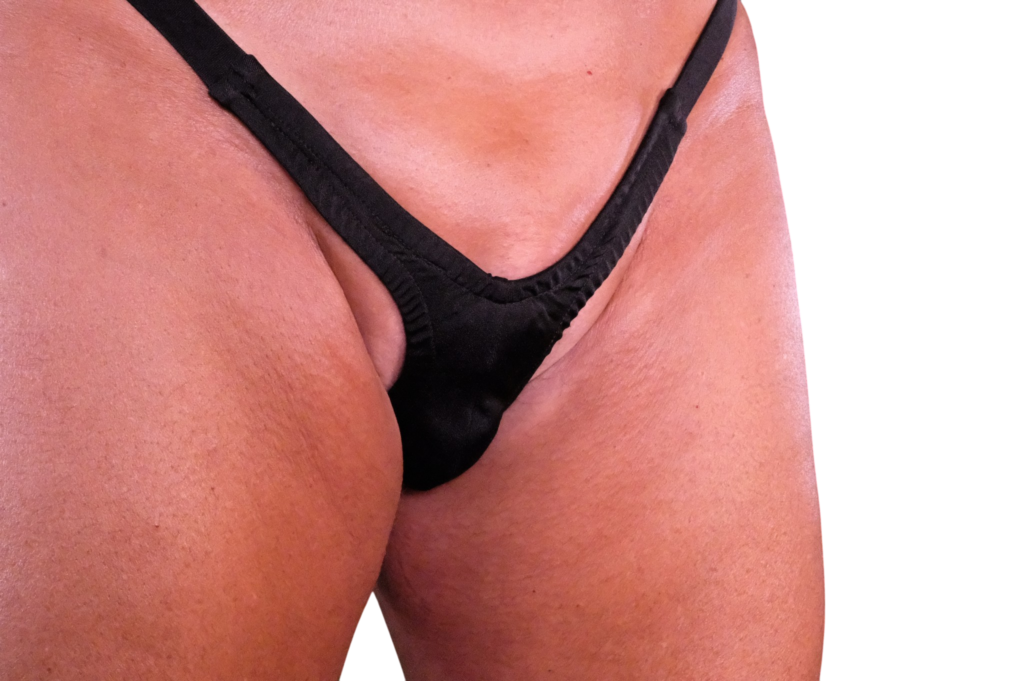
The Ultimate Guide to Micro Swimsuits for Men
The Complete Cornerstone Guide to Men’s Bikinis, Swim Briefs, Micro Swimwear, Thongs, G-Strings, Tiny Spandex Shorts, and Minimalist Beach Fashion
Meta Title: Ultimate Guide to Men’s Micro Swimsuits | Bikinis, Briefs, Thongs & Modern Swimwear
Meta Description: Discover everything about men’s micro swimsuits, from classic swim briefs and bikinis to thongs, G-strings, tiny spandex shorts, fabrics, fit, styling, and the latest global swimwear trends.
Welcome to the Modern Era of Men’s Swimwear
Men’s swimwear has undergone one of the biggest fashion transformations of the past several decades. What was once a category dominated by oversized board shorts and loose trunks has expanded into a diverse collection of athletic, fashion-forward, and minimalist styles that allow men to choose swimwear based on comfort, performance, and personal expression.
Today, the market includes everything from Olympic-inspired racing briefs to sleek bikinis, compact square-cut shorts, Brazilian-inspired designs, modern thongs, and other minimalist silhouettes. These styles are worn for a variety of reasons, including swimming performance, comfort, reduced drag in the water, faster drying, travel convenience, and personal style.
As global travel and social media have exposed consumers to beach cultures around the world, many men have become more comfortable exploring swimwear beyond traditional trunks. Beaches in Brazil, Southern Europe, Australia, and parts of Asia have long embraced fitted swimwear, and those influences continue to shape international trends.
This guide explores the full spectrum of men’s minimalist swimwear, helping readers understand the differences between styles, how to choose the right fit, and what to consider before purchasing.
What Is a Micro Swimsuit?
A micro swimsuit is generally defined as a swimsuit that uses less fabric than a traditional swim brief or trunk while still functioning as practical swimwear. The exact amount of coverage varies by design, but the emphasis is on streamlined construction, lightweight materials, and freedom of movement.
Micro swimwear can include:
- Compact swim briefs
- Low-rise bikinis
- High-cut bikinis
- Brazilian-inspired styles
- Narrow-side briefs
- String bikinis
- Minimal square-cut shorts
- Thongs
- G-strings (where permitted)
Rather than representing one single style, “micro swimwear” is an umbrella term for a range of minimalist designs.
Why Smaller Swimwear Has Become More Popular
Several factors have contributed to the growing popularity of minimalist men’s swimwear.
Athletic Performance
Competitive swimmers have long favored streamlined suits because they reduce drag and allow unrestricted movement.
Many recreational swimmers appreciate these same benefits.
Comfort
Smaller swimsuits often feel lighter than long trunks because there is less fabric to retain water.
Benefits may include:
- Faster drying
- Reduced chafing
- Greater flexibility
- Easier movement
- Less weight when wet
Travel Convenience
Minimalist swimwear packs easily and dries quickly, making it an excellent choice for vacations and active travel.
International Influence
Visitors returning from destinations such as Brazil, Spain, Italy, Greece, and Australia frequently notice that fitted swimwear is common in those regions. Exposure to these styles has broadened consumer interest worldwide.
The Evolution of Men’s Swimwear
The history of men’s swimwear reflects changing ideas about sport, fashion, and leisure.
Early swimwear often consisted of heavy wool garments that absorbed water and limited movement. As synthetic fabrics became available, swimwear became lighter and more practical.
By the late twentieth century, nylon and elastane blends allowed designers to create supportive, flexible suits suitable for both athletic and recreational use.
Today, technical fabrics, improved pattern-making, and advanced manufacturing techniques allow swimwear to provide comfort, durability, and a wide range of silhouettes.
Understanding the Different Categories of Minimalist Swimwear
Classic Swim Briefs
The swim brief remains one of the most enduring designs in men’s swimwear.
Typical features include:
- Moderate front coverage
- Secure waistband
- Streamlined profile
- Full mobility
- Versatility for training and recreation
Many swimmers consider the brief the benchmark against which other fitted styles are compared.
Racing Briefs
Designed with performance in mind, racing briefs are optimized to reduce drag while providing a secure fit during vigorous swimming.
They are commonly made from chlorine-resistant fabrics and feature reinforced stitching for durability.
Men’s Bikini Swimwear
The men’s bikini is distinguished by a lower rise and narrower side panels than a traditional brief.
Common characteristics include:
- Contemporary appearance
- Comfortable support
- Lightweight construction
- Minimal bulk
- Reduced tan lines
Bikinis are available in a range of cuts, from conservative to more fashion-oriented.
Low-Rise Bikinis
Low-rise designs sit below the natural waist, creating a modern silhouette that many wearers find comfortable.
They pair well with fitted resort wear and lightweight beach clothing.
High-Cut Bikinis
High-cut leg openings increase freedom of movement and create a longer visual line along the legs.
These designs have become increasingly common in fashion swimwear.
Brazilian-Inspired Cuts
Brazilian swimwear has influenced men’s beach fashion around the world.
These styles often emphasize:
- Narrow side panels
- Balanced coverage
- Flexible fabrics
- Contemporary styling
- Clean, simple construction
Tiny Spandex Shorts
Tiny spandex shorts occupy the middle ground between briefs and traditional trunks.
They offer:
- Slightly more coverage than briefs
- Athletic styling
- Stretch performance fabrics
- Comfortable support
- Versatility for swimming and beach activities
Their retro-inspired appearance has made them increasingly popular among fitness enthusiasts and travelers alike.
Fabric Technology
One of the reasons modern minimalist swimwear performs so well is the quality of today’s fabrics.
Most premium suits are made from blends that combine:
- Nylon for softness
- Elastane for stretch
- Polyester for durability
These materials provide:
- Four-way stretch
- Quick drying
- Shape retention
- Chlorine resistance
- UV resistance in many cases
Quality fabric contributes significantly to both comfort and longevity.
Finding the Right Fit
Fit is more important than size alone.
A swimsuit should:
- Stay securely in place
- Allow unrestricted movement
- Feel supportive without excessive compression
- Maintain its shape during swimming
Consulting a manufacturer’s size chart and understanding how different cuts fit can make a significant difference in comfort.
Color and Pattern Trends
Modern men’s swimwear is available in a broad range of colors and prints.
Popular choices include:
- Black
- Navy
- White
- Royal blue
- Emerald green
- Bright red
- Orange
- Turquoise
Patterns such as tropical florals, geometric designs, and subtle textures remain popular for resort wear, while solid colors continue to dominate performance swimwear.
Confidence and Personal Style
Perhaps the most important aspect of choosing swimwear is finding a style that matches your comfort level and intended use.
Some people prefer the timeless simplicity of a classic swim brief, while others enjoy experimenting with lower-rise bikinis or compact shorts. There is no universally “correct” choice. The best swimsuit is one that fits well, supports your activities, and helps you feel comfortable whether you’re swimming laps, relaxing by the pool, or spending a day at the beach.
The Ultimate Guide to Micro Swimsuits for Men (Part 2)
Exploring String Bikinis, Micro Bikinis, Thongs, G-Strings, Square-Cut Styles, Fabrics, and Finding Your Ideal Fit
In Part 1, we explored the history of modern men’s swimwear, the evolution of minimalist designs, and the differences between swim briefs, bikinis, Brazilian-inspired cuts, and tiny spandex shorts. In this section, we’ll take a closer look at the next generation of streamlined swimwear, how these styles differ, and how to choose one that matches your comfort level and intended use.
String Bikini Swimwear for Men
String bikinis have become one of the most recognizable minimalist swimwear styles. They retain the functionality of a bikini while replacing wider side panels with narrow strings or slender fabric straps.
The result is a lightweight swimsuit that offers freedom of movement and a clean, modern appearance.
Why Men Choose String Bikinis
Many wearers appreciate string bikinis because they:
- Reduce fabric around the hips
- Dry quickly after swimming
- Feel lightweight throughout the day
- Create minimal tan lines
- Pack easily for travel
Because the strings are adjustable on some models, they may also provide a more personalized fit than fixed-side designs.
Micro Bikini Swimwear
Micro bikinis represent the next step toward minimalist design. They generally use less fabric than a standard bikini while maintaining the same basic silhouette.
Rather than focusing on novelty, many modern micro bikinis are designed with high-performance stretch fabrics that remain practical for swimming, sunbathing, and resort wear.
Typical features include:
- Lower-rise waistlines
- Narrower side panels
- Streamlined front construction
- Lightweight materials
- Quick-drying fabrics
Micro bikinis are often chosen by people who prefer a modern, athletic look with reduced bulk.
Ultra-Minimal Swimwear
Ultra-minimal swimwear emphasizes simplicity through careful pattern design and lightweight construction. Depending on the manufacturer, these suits may vary considerably in coverage, so it’s important to review product descriptions and images before purchasing.
When considering an ultra-minimal style, pay attention to:
- Fabric quality
- Lining
- Stitching
- Waistband construction
- Intended activity
- Local beach or pool dress codes
For active swimming, a secure fit is generally more important than minimizing fabric.
Men’s Thong Swimwear
Thong swimwear has become increasingly visible in many beach destinations around the world. While still considered a niche style in some locations, it is a mainstream option in others.
A thong swimsuit typically combines:
- A supportive front panel
- A secure waistband
- A narrow rear strap
- Stretch performance fabric
Many people choose this style because it minimizes tan lines and reduces the amount of fabric that can bunch or hold water.
As with any swimwear, local customs and venue rules should always be respected.
G-String Swimwear
G-string swimwear uses an even narrower rear strap than a thong while maintaining front coverage.
These designs are primarily intended for settings where very minimal swimwear is accepted, such as certain beaches or private resort environments.
Before wearing a G-string swimsuit, it is a good idea to check:
- Local regulations
- Beach policies
- Resort dress codes
- Community expectations
Understanding the environment helps ensure that your swimwear choice is appropriate for the location.
Square-Cut Micro Shorts
Square-cut shorts continue to be one of the most versatile categories in men’s swimwear.
Compared with briefs, they provide:
- Slightly longer legs
- A sporty silhouette
- Comfortable compression
- A balance between coverage and mobility
Many swimmers appreciate square-cut styles because they transition easily from swimming to casual beach activities.
Compression and Support
Supportive construction is one of the defining features of quality swimwear.
Look for:
- Double-layer front panels
- Comfortable waistbands
- Flatlock stitching
- Stretch recovery
- Reinforced seams
These features help a swimsuit maintain its shape over repeated use.
Understanding Swimwear Fabrics
Modern swimwear performance depends largely on the materials used in its construction.
Nylon
Nylon remains one of the softest fabrics used in swimwear.
Advantages include:
- Smooth feel
- Excellent stretch
- Comfortable fit
- Bright color retention
Polyester
Polyester has become increasingly popular because it resists chlorine exceptionally well.
Benefits include:
- Long lifespan
- Excellent durability
- Shape retention
- Fade resistance
Competitive swimmers often prefer polyester blends for frequent pool use.
Elastane (Spandex)
Elastane provides the stretch that allows swimwear to move naturally with the body.
Even a relatively small percentage of elastane dramatically improves:
- Flexibility
- Comfort
- Recovery
- Fit
Flatlock Stitching
Premium swimwear frequently uses flatlock seams.
These help reduce:
- Chafing
- Pressure points
- Irritation
- Seam bulk
For people who spend extended time in the water, this construction can make a noticeable difference.
Choosing Swimwear for Your Body Type
Every body is different, and there is no universally ideal swimsuit.
Instead, consider what makes you feel comfortable and confident.
Athletic Build
Athletic physiques often work well with:
- Swim briefs
- Square cuts
- Bikinis
- Tiny shorts
These styles complement freedom of movement while highlighting an active silhouette.
Slim Build
Slimmer body types may enjoy:
- Low-rise bikinis
- String bikinis
- Compact square cuts
- Classic briefs
Many of these designs create clean, proportional lines.
Larger Builds
For people seeking additional support, options may include:
- Structured swim briefs
- Square-cut shorts
- Performance-focused styles with wider waistbands
A good fit is generally more important than choosing the smallest possible style.
Swimwear for Different Destinations
The ideal swimsuit often depends on where you’ll be wearing it.
Resort Pools
Many resort pools welcome fitted swimwear, though expectations vary.
Popular choices include:
- Swim briefs
- Bikinis
- Square cuts
- Tiny shorts
Public Beaches
Public beaches differ considerably around the world.
Before traveling, research local customs regarding:
- Coverage expectations
- Swimwear regulations
- Cultural norms
Lap Pools
Performance-oriented styles remain the preferred choice for regular swimming.
These typically include:
- Racing briefs
- Athletic briefs
- Square-cut suits
Their streamlined construction helps reduce drag.
Caring for High-Performance Swimwear
Proper maintenance can extend the life of any swimsuit.
Recommended care includes:
- Rinse immediately after swimming
- Remove chlorine or saltwater promptly
- Hand wash whenever practical
- Avoid fabric softeners
- Air dry in the shade
- Store only after completely drying
These habits help preserve elasticity and fabric performance.
Building a Versatile Swimwear Collection
Many people own more than one swimsuit for different situations.
A well-rounded collection might include:
- A performance swim brief for exercise
- A bikini for vacations
- A square-cut short for active beach days
- A tiny spandex short for casual poolside wear
- A compact travel swimsuit that dries quickly
Having several styles allows you to choose the most appropriate option for each activity.
Common Buying Mistakes
Avoid these frequent mistakes when shopping for swimwear:
- Choosing size based only on jeans measurements
- Ignoring the manufacturer’s sizing guide
- Buying solely for appearance without considering comfort
- Selecting fabrics unsuitable for chlorine exposure
- Failing to rinse swimwear after use
- Overlooking venue dress codes
A little research before buying often results in a swimsuit that performs better and lasts longer.
Global Swimwear Trends, Sustainable Fabrics, Travel Tips, Styling Advice, and Frequently Asked Questions
By now, we’ve explored the history of minimalist men’s swimwear, compared the major categories of fitted swimsuits, and examined the fabrics and construction that make modern designs both comfortable and durable. In this section, we’ll look at worldwide trends, how to build a practical swimwear wardrobe, sustainable manufacturing, accessorizing, and answer many of the questions people ask before purchasing their next swimsuit.
Men’s Swimwear Is Becoming More Diverse
The biggest trend in men’s swimwear isn’t simply that suits are getting smaller—it’s that there are more choices than ever before.
Today’s collections often include:
- Traditional swim briefs
- Racing briefs
- Low-rise bikinis
- High-cut bikinis
- Brazilian-inspired styles
- String bikinis
- Square-cut shorts
- Tiny spandex shorts
- Minimalist thongs
- Contemporary G-string styles where appropriate
This expanded selection allows shoppers to choose swimwear that matches their intended activity, comfort level, and personal style rather than following a single fashion trend.
Regional Swimwear Preferences Around the World
Swimwear styles vary widely depending on local culture, climate, and beach traditions.
Southern Europe
Many beaches across Southern Europe have long embraced fitted swimwear. Swim briefs, compact shorts, and streamlined bikini styles are common choices for recreational swimming and resort vacations.
Travelers often notice that practical, athletic silhouettes are just as popular as loose-fitting trunks.
Brazil
Brazil has had an enormous influence on global swimwear design.
Characteristics often associated with Brazilian-inspired swimwear include:
- Bright colors
- Lightweight fabrics
- Minimal side panels
- Comfortable stretch
- Contemporary tailoring
Many international brands draw inspiration from Brazilian design while adapting styles for different markets.
Australia
Australia’s beach culture emphasizes both active lifestyles and practical performance.
Popular styles include:
- Swim briefs
- Square cuts
- Compact trunks
- Athletic bikinis
These designs are well suited for swimming, surfing, beach fitness, and other outdoor activities.
North America
North American swimwear has become much more varied over the past decade.
While board shorts remain widely available, retailers increasingly offer:
- Swim briefs
- Bikinis
- Square-cut styles
- Shorter inseam trunks
- Performance swimwear
Consumers now have far more options than in previous generations.
The Rise of Sustainable Swimwear
Sustainability has become one of the most important developments in the apparel industry, including swimwear.
Many manufacturers now incorporate:
- Recycled nylon
- Recycled polyester
- Reduced-water dye processes
- Durable construction that extends product life
- Environmentally conscious packaging
Consumers often appreciate products designed to last longer, reducing the need for frequent replacement.
Why Fabric Quality Matters
A swimsuit’s appearance is only part of the equation.
Premium construction can improve:
- Shape retention
- Comfort
- Stretch recovery
- Resistance to fading
- Chlorine durability
- Overall lifespan
When comparing products, it is worth considering material composition in addition to style.
Choosing Swimwear for Different Activities
Different situations often call for different designs.
Vacation Resorts
For resort vacations, many travelers choose lightweight swimsuits that dry quickly and pair well with casual clothing.
Popular options include:
- Swim briefs
- Bikinis
- Square cuts
- Tiny spandex shorts
Fitness Swimming
Those who swim regularly often prioritize:
- Chlorine-resistant fabrics
- Secure waistbands
- Streamlined construction
- Long-lasting elasticity
Performance-focused briefs and square-cut suits are common choices.
Beach Relaxation
If your day includes swimming, walking, reading, and relaxing, comfort may be the most important consideration.
Many people appreciate soft fabrics, supportive waistbands, and quick-drying materials that remain comfortable throughout the day.
Building a Swimwear Wardrobe
Owning multiple swimsuits allows you to select the right option for each occasion.
A balanced collection could include:
One Performance Suit
Ideal for:
- Lap swimming
- Water exercise
- Frequent pool use
One Vacation Suit
Designed for:
- Resort travel
- Beach holidays
- Casual swimming
One Fashion-Oriented Style
Perfect for:
- Poolside relaxation
- Warm-weather vacations
- Social gatherings
One Compact Travel Swimsuit
Benefits include:
- Lightweight packing
- Quick drying
- Minimal luggage space
Selecting Colors
Color choice is largely personal, but certain shades remain consistently popular.
Classic colors:
- Black
- Navy
- White
Athletic colors:
- Royal blue
- Red
- Emerald green
Seasonal colors:
- Coral
- Turquoise
- Orange
- Lime
- Aqua
Prints also remain popular, including:
- Tropical florals
- Geometric patterns
- Stripes
- Color blocking
- Abstract graphics
Coordinating Your Beach Look
Swimwear is only one part of a complete beach wardrobe.
Accessories may include:
- Lightweight linen shirts
- Cotton tees
- UV-protective rash guards
- Sandals
- Slides
- Wide-brim hats
- Sunglasses
- Waterproof bags
Choosing complementary accessories can help create a practical, cohesive look for travel and leisure.
Sun Protection
No swimsuit provides complete protection from ultraviolet exposure.
For extended time outdoors:
- Apply broad-spectrum sunscreen.
- Reapply after swimming.
- Wear sunglasses with UV protection.
- Stay hydrated.
- Seek shade during peak sunlight hours when possible.
Good sun protection supports enjoyable beach days while helping reduce the risk of sunburn.
Travel Tips
Minimalist swimwear offers several practical advantages for travelers.
Because these garments generally:
- Weigh less
- Dry faster
- Occupy less luggage space
They are convenient for vacations involving beaches, pools, cruises, or multiple destinations.
Packing two or three swimsuits allows one to dry while another is in use.
How Long Should Swimwear Last?
The lifespan of a swimsuit depends on:
- Fabric quality
- Frequency of use
- Chlorine exposure
- Washing habits
- Sun exposure
A well-maintained premium swimsuit can often provide several seasons of regular use.
Replacing a suit is generally recommended when elasticity declines or the fabric no longer provides a secure fit.
Frequently Asked Questions
What is the difference between a swim brief and a bikini?
A swim brief typically offers slightly wider side panels and a more traditional athletic cut. A bikini usually has narrower sides and a lower rise while remaining practical for swimming.
Are tiny swim shorts good for swimming?
Yes. Many compact swim shorts are specifically designed for swimming and combine streamlined construction with additional coverage compared with briefs.
Which fabrics dry the fastest?
Most nylon-spandex and polyester-elastane blends are engineered to dry quickly while maintaining flexibility.
Should I buy lined swimwear?
Many people appreciate lined swimwear because it can improve comfort, durability, and opacity.
Is chlorine hard on swimwear?
Frequent chlorine exposure gradually reduces elasticity in most fabrics. Rinsing your swimsuit immediately after swimming helps extend its lifespan.
How many swimsuits should I own?
Many regular swimmers keep at least two or three swimsuits so they can rotate them between uses.
How should swimwear fit?
A swimsuit should feel secure without restricting movement. It should remain comfortably in place during swimming, walking, and sitting.
Can minimalist swimwear be worn for active swimming?
Yes. Many streamlined designs are intended specifically for swimming and other water-based activities. Choosing a secure fit and appropriate fabric is more important than the amount of coverage alone.
What’s the best swimsuit for travel?
Quick-drying swimsuits made from lightweight performance fabrics are excellent choices because they pack easily and are convenient to wash during trips.
Looking Ahead
The future of men’s swimwear will likely continue to emphasize:
- Technical performance fabrics
- Sustainable manufacturing
- Greater size inclusivity
- Improved durability
- Expanded style choices
- Versatile designs suitable for both athletic and recreational use
As the market evolves, consumers can expect even more options that balance comfort, performance, and modern styling.
The Complete Buying Guide, Fit Guide, Swimwear Care Guide, and SEO Cornerstone Conclusion
Welcome to the final section of this comprehensive guide to men’s micro swimwear. By this point, you’ve learned about the history of modern swimwear, the differences between briefs, bikinis, string bikinis, square-cut shorts, thongs, and other minimalist styles, as well as the fabrics and construction techniques that make today’s swimwear more comfortable and durable than ever.
This final section focuses on selecting the right swimsuit, building a collection for different occasions, maintaining your swimwear, and understanding where men’s swimwear fashion is headed in the years ahead.
The Ultimate Men’s Swimwear Buying Guide
Buying swimwear online can seem challenging because every manufacturer uses slightly different cuts, materials, and sizing.
Instead of concentrating only on appearance, evaluate each swimsuit using several important criteria.
Purpose
Ask yourself where you’ll wear it most often.
Examples include:
- Lap swimming
- Resort vacations
- Beach holidays
- Hotel pools
- Water sports
- Cruise vacations
- Relaxing poolside
A swimsuit intended for daily swimming may differ from one chosen primarily for travel or leisure.
Fabric Quality
Premium swimwear generally performs better and lasts longer.
Look for:
- Four-way stretch
- High-quality elastane
- Durable polyester blends
- Soft nylon construction
- Chlorine-resistant fabrics when needed
Well-made materials maintain their shape through repeated swimming and washing.
Waist Construction
The waistband plays a significant role in comfort.
Quality designs often feature:
- Secure elastic
- Adjustable drawstrings
- Comfortable compression
- Flat interior seams
A supportive waistband helps keep the swimsuit in place during movement without feeling restrictive.
Front Construction
Different manufacturers use different approaches to front-panel construction.
Depending on the design, you may find:
- Single-layer panels
- Double-lined panels
- Reinforced interiors
- Performance-focused shaping
The best option depends on your preferred balance of support, flexibility, and comfort.
Stitching Quality
Premium stitching improves both durability and comfort.
Look for:
- Flatlock seams
- Even stitching
- Reinforced stress points
- Smooth interior construction
These details help reduce wear over time.
Finding the Right Size
Sizing varies between brands, making measurements more reliable than relying solely on your usual clothing size.
Before ordering:
- Measure your waist.
- Review the manufacturer’s sizing chart.
- Read product descriptions carefully.
- Consider the amount of stretch in the fabric.
- Check customer reviews when available.
If you’re between sizes, follow the manufacturer’s guidance, as different fabrics may fit differently.
Building the Ideal Swimwear Collection
Many people eventually own several swimsuits designed for different occasions.
A balanced collection might include:
Performance Swim Brief
Perfect for:
- Regular lap swimming
- Fitness
- Water exercise
Comfortable Bikini
Suitable for:
- Vacations
- Resort pools
- Casual swimming
- Relaxing by the water
Square-Cut Shorts
An excellent all-around option for:
- Family holidays
- Paddleboarding
- Beach games
- Water parks
Tiny Spandex Shorts
Ideal for:
- Active beach days
- Beach volleyball
- Travel
- Poolside lounging
Minimalist Style
Some people also choose a more streamlined swimsuit for destinations where minimalist swimwear is commonly worn and appropriate under local customs and venue rules.
Coordinating Your Beach Wardrobe
A complete beach wardrobe extends beyond the swimsuit itself.
Popular additions include:
- Linen shirts
- Lightweight cotton tops
- Resort shorts
- Waterproof sandals
- Slides
- Sun hats
- UV-protective sunglasses
- Beach bags
- Quick-dry towels
Choosing complementary colors creates a polished look while remaining practical for warm-weather travel.
Swimwear for Different Seasons
Spring
Many brands introduce new collections featuring:
- Fresh colors
- Lightweight fabrics
- Updated cuts
Shopping early often provides the widest selection.
Summer
Peak season brings:
- New arrivals
- Vacation collections
- Resort styles
- Performance swimwear
Popular sizes may sell quickly during this period.
Autumn
Late-season sales provide opportunities to purchase high-quality swimwear at reduced prices.
Winter
Many travelers purchase swimwear before heading to tropical destinations during colder months.
Indoor lap swimmers also continue using performance suits year-round.
Swimwear Care Checklist
Proper maintenance helps preserve fit, elasticity, and color.
After Every Swim
✔ Rinse thoroughly with cool water.
✔ Remove chlorine or saltwater promptly.
✔ Wash gently with mild detergent when necessary.
✔ Avoid bleach.
✔ Avoid fabric softeners.
✔ Do not wring the fabric.
✔ Lay flat or hang to air dry in the shade.
✔ Store only after completely drying.
These simple habits can significantly extend the life of your swimwear.
Replacing Swimwear
Even premium swimwear eventually wears out.
Signs that it may be time for a replacement include:
- Loss of elasticity
- Fading colors
- Fabric becoming thin
- Loose waistbands
- Permanent stretching
- Visible seam damage
Rotating between several swimsuits often extends the lifespan of each one.
Looking Ahead: The Future of Men’s Swimwear
The men’s swimwear industry continues to evolve through advances in materials, manufacturing, and design.
Emerging trends include:
Sustainable Materials
Expect to see greater use of:
- Recycled nylon
- Recycled polyester
- Lower-impact production methods
- Longer-lasting fabrics
Improved Performance
Manufacturers continue refining fabrics to provide:
- Faster drying
- Better stretch recovery
- Increased chlorine resistance
- Greater durability
Expanded Size Ranges
Inclusive sizing has become an increasingly important priority across the apparel industry, helping more people find comfortable, well-fitting swimwear.
More Style Choices
The range of available silhouettes continues to grow, allowing consumers to choose from classic athletic briefs, compact bikinis, square-cut shorts, and other streamlined options according to their own preferences and activities.
Why Confidence Matters More Than Trends
Fashion trends naturally change over time, but confidence rarely goes out of style.
Whether you prefer a traditional swim brief, a compact bikini, a square-cut short, or another streamlined design, the best swimsuit is one that:
- Fits comfortably
- Supports your activities
- Reflects your personal style
- Allows you to enjoy the beach or pool with confidence
Comfort, practicality, and quality construction will always matter more than chasing the latest trend.
Final Thoughts
Modern men’s swimwear offers more variety than at any other time in history. Improvements in fabric technology, expanded style options, and changing fashion preferences have created a market that serves competitive swimmers, vacation travelers, fitness enthusiasts, and anyone seeking a swimsuit that feels comfortable and performs well.
From classic swim briefs to contemporary bikinis, compact square-cut shorts, tiny spandex shorts, and other minimalist silhouettes, today’s collections provide choices for virtually every body type, destination, and activity.
When selecting your next swimsuit, focus on fit, fabric quality, intended use, and personal comfort. A thoughtfully chosen swimsuit will not only look good but also provide the support and durability needed for seasons of enjoyable use.